Discover the effect of dietary phytoestrogens for menopause relief and overall health improvement! Learn how these plant-based compounds may naturally…
Discover the effect of dietary phytoestrogens for menopause relief and overall health improvement! Learn how these plant-based compounds may naturally ease symptoms like hot flushes and mood swings. Get insight into the best phytoestrogen-rich foods and supplements for a smoother transition.
Introduction:
Menopause is a new part of our lives, but for many, the woo is accompanied by a range of unpleasant symptoms. Hot flashes, sudden mood swings, weight gain and sleep problems are all changes that affect the daily lives of millions of women.
Many of us are looking for other options to deal with symptoms of menopause as well as supersede hormone replacement therapy. Natural remedies are growing in popularity, and researchers are turning their attention to phytoestrogens.
But do they help with menopause?
And if so, which ones? What are they best combined with?
And what's the best way to incorporate them into our daily routine?
In this guide, we'll cover the research, benefits, and best ways to safely incorporate phytoestrogens into our lifestyle to reduce menopause symptoms and improve your health and well-being. Click here if you are interested in knowing more about supplements for menopause and here for 65 Proven Tips for Hormonal Balance.
What Are Phytoestrogens?
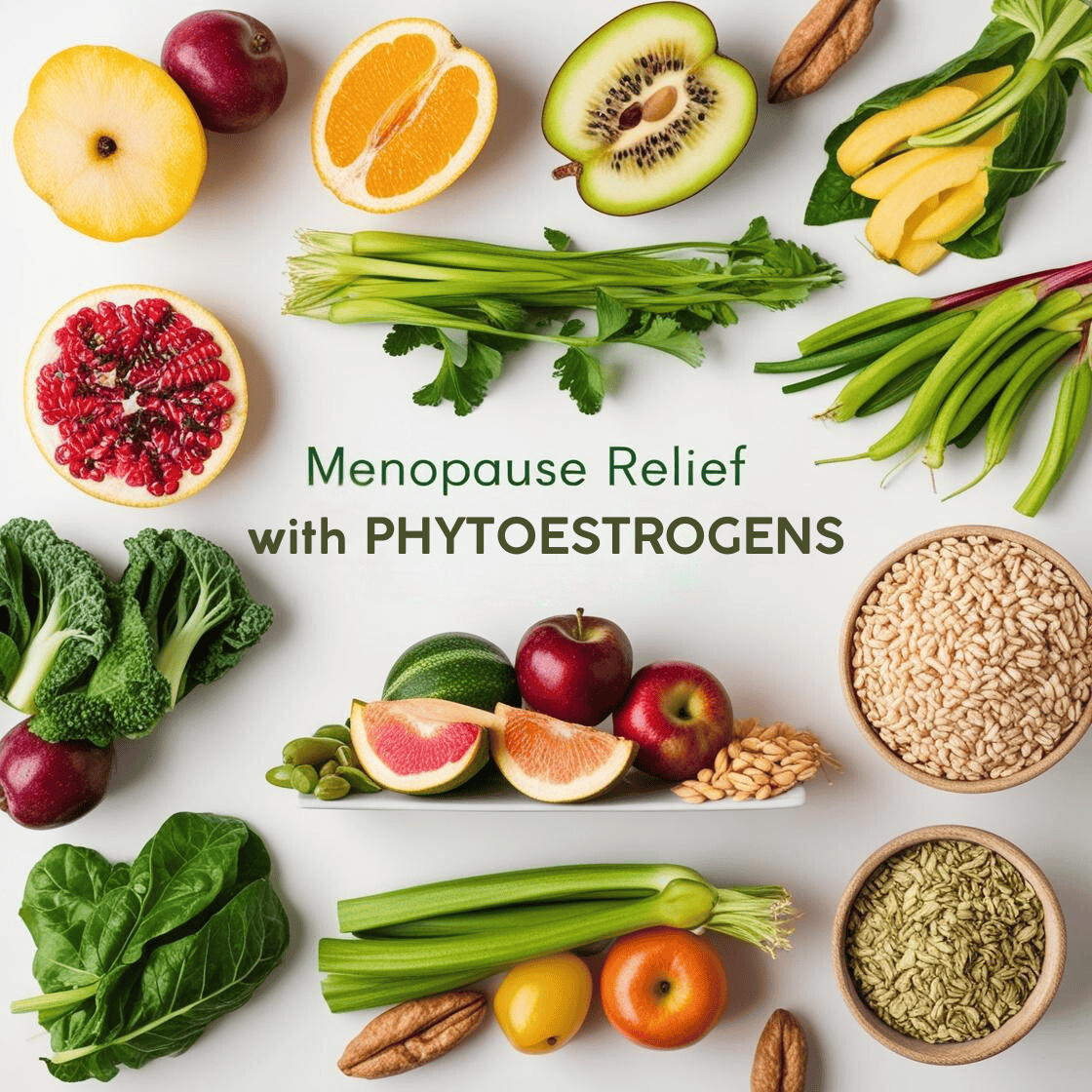
Phytoestrogens are natural biological compounds in various plants that resemble the hormone estrogen. This gives them the ability to bind to estrogen receptors in the body.
These compounds are not identical to estrogen, but can interact with our cells – this allows them to modulate the effects of estrogen – or create a mild estrogenic or anti-estrogenic effect.
This dual role – sometimes mimicking the effect of estrogen and sometimes “protecting” against it – makes phytoestrogens valuable for supporting our hormonal balance, especially during menopause, when estrogen levels are declining and toxic xenoestrogens create hormonal havoc.
Therefore, they are gaining more and more research attention and recognition for their ability to alleviate hot flashes and mood swings by gently modulating hormonal activity in the body (source 1,2).
Types of Phytoestrogens
All plants have compounds that belong to phytoestrogens as they play an important role in plant immunity. However, some food and plant sources are especially rich in them and therefore are the focus of our attention.
There are three main types of phytoestrogens: isoflavones, lignans, stilbenes and coumestans, each with unique sources and effects.
Isoflavones, found in soy products, are the most studied and are known for their ability to alleviate menopausal symptoms and support heart health.
Lignans, abundant in flaxseeds and sesame seeds, are technically not yet phytoestrogens. After they undergo a transformation in our gut with the help of bacteria they turn to phytoestrogens called enterolignans (enterodiol and enterolactone). These substances can bind to estrogen receptors and contribute to balanced hormone levels.
Coumestans are found in plants such as alfalfa, clover, and some legumes, including peas. The major coumestan, coumestrol, binds to estrogen receptors and may have mild hormonal effects.
The best-known stilbene is resveratrol, which is found in grape skins, red wine, and berries. Resveratrol is best known for its antioxidant properties and heart-health benefits.
How do phytoestrogens work?
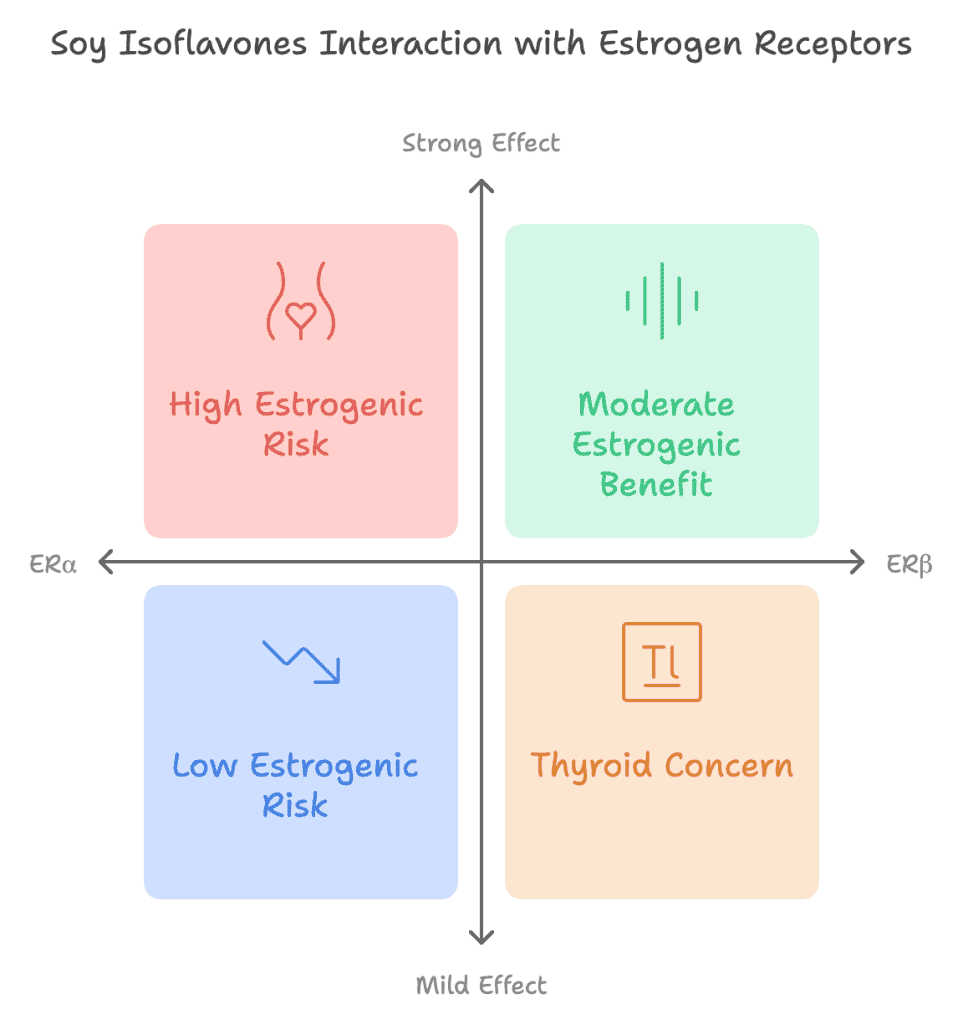
Estrogen binds to two main types of estrogen receptors (ER): ER-alpha and ER-beta. ER-alpha is found primarily in reproductive tissues (e.g., uterus, and breast), and ER-beta is found in bone, cardiovascular, and brain tissues.
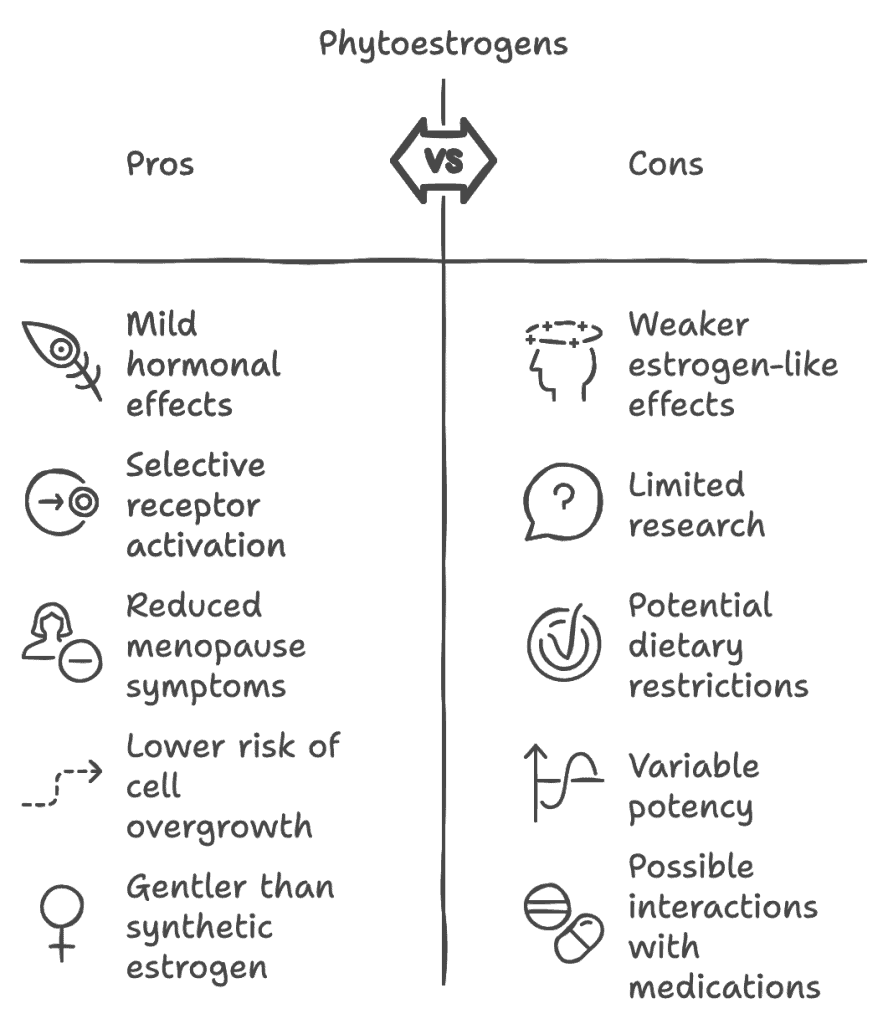
Phytoestrogens have weaker estrogenic effects and preferentially bind to ER-beta, which explains their mild hormonal effects.
This selective binding provides some of the benefits of estrogen without the stronger effects associated with ER-alpha activation, which is linked with an increased risk of enhanced cell division in estrogen-sensitive tissues.
This selective binding of phytoestrogens can reduce unwanted side effects – this is what differentiates them from hormone replacement therapy based on synthetic estrogen, and make them a gentler alternative for natural menopause relief (source 1,2).
how does soy isoflavon work
Benefits of Phytoestrogens for Menopausal Symptoms
How can phytoestrogens reduce Hot Flashes and Night Sweats?
Phytoestrogens can alleviate common menopausal symptoms such as hot flashes and night sweats, collectively known as vasomotor symptoms.
These symptoms are caused by fluctuating estrogen levels that disrupt the body's thermoregulation, leading to sudden temperature swings.
For example, soy isoflavones, bind to estrogen receptors and exert a mild estrogen-modulating effect, which is well-studied.
The good and bad of soy isoflavones
Studies show that consistent consumption of soy phytoestrogens (isoflavones) can help moderately reduce hot flashes and night sweats.
However, soy phytoestrogens can cause also gastrointestinal problems such as abdominal bloating or constipation, and allergic reactions, and can sometimes provoke fatigue.
Soy-related fatigue may happen because soy isoflavones can disrupt thyroid function, especially if you are iodine deficient.
Isoflavones can slow down the enzyme called thyroid peroxidase (TPO), which is necessary for thyroid hormone production.
When iodine levels are low, and you continue adding soy isoflavones in your diet or as a supplement, thyroid hormone synthesis will slow down, potentially leading to hypothyroidism. Therefore, you may gain weight, feel a lack of energy, and experience a drop in mood.
Perhaps that's why Japanese cuisine traditionally combines iodine-rich seaweed with soy products to avoid adverse effects on the thyroid gland.
If you are interested in trying soy isoflavones but have doubts or have thyroid problems, consult your doctor before including soy or iodine supplements in your diet.
Despite selective binding to ER-beta, soy isoflavones are undesirable if you have a history of estrogen-dependent disease (breast cancer or endometriosis).
In high concentrations, soy isoflavones can also activate ER-alpha receptors, especially in estrogen-sensitive tissues.
Some individual variations in gut microbiota can convert them to more active forms, such as equol, which can potentially increase breast cancer risk or worsen symptoms of endometriosis (source 1,2).
Flaxseed Lignans for Menopause: Mild, Safe, and Effective Hot Flash Relief
Lignans, especially those found in flax seeds, may help reduce hot flashes due to their mild estrogenic action, which helps balance the fluctuations in hormones that characterize menopause.
Once consumed, lignans are converted by gut bacteria into enterolignans (enterolactone and enterodiol), which can bind to estrogen receptors. This interaction is particularly useful for menopausal lowering estrogen levels, as lignans can gently mimic the effects of estrogen, helping to reduce the frequency and intensity of hot flashes (sources 1, 2)
Since lignans have antioxidant and anti-inflammatory properties that support overall vascular health and hot flashes are partly caused by vascular responses to hormonal shifts, the calming effects of lignans on blood vessels may promote more stable thermoregulation (source 1).
Lignans have weaker estrogenic activity than soy isoflavones and may be safer than soy isoflavones.
Lignans are antioxidants and their anti-inflammatory properties protect against oxidative stress, including some cancers. This distinguishes them from isoflavones, which, while also beneficial, have a higher affinity for estrogen receptors – so lignans are seen as a mild alternative for alleviating menopausal symptoms, especially for those concerned about estrogen-sensitive conditions.
Phytoestrogens' potential impact on Mood and Cognitive Support during menopause.
The second positive effect of phytoestrogens is related to their potential benefits for cognitive function and mood levelling during menopause.
Mood swings, memory lapses, and anxiety are common during this period due to decreased estrogen levels, which affect the balance of neurotransmitters.
Phytoestrogens, particularly lignans and isoflavones, may help regulate mood and support cognitive function by mimicking the neuroprotective effects of estrogen in the brain.
Phytoestrogens can improve bone density and heart health.
Phytoestrogens may support bone density and heart health, two critical areas of concern during menopause.
Studies show that lignans and isoflavones, can modestly improve bone mineral density and reduce the risk of fractures. In addition, these compounds support cardiovascular health by potentially lowering cholesterol levels, reducing arterial stiffness, and protecting against oxidative stress (source 1, 2).
Phytoestrogens for skin and hair.
We know that estrogen has a protective effect on the skin and promotes collagen production, helping to retain moisture and elasticity. Phytoestrogens can help mitigate these effects by binding to estrogen receptors in skin tissue, which can slow collagen breakdown and support skin thickness and elasticity. Phytoestrogens may support follicle health and reduce follicle thinning. By exerting a mild estrogenic effect, phytoestrogens provide a natural, gentle approach to maintaining healthy skin and hair during menopause (source 1, 2, 3)
Phytoestrogen-Rich Foods for Menopause Relief
Studies show that women who consume soy and flax regularly see a gradual decrease in the frequency and intensity of hot flashes, as well as other menopausal symptoms (source 1, 2).
Soy foods
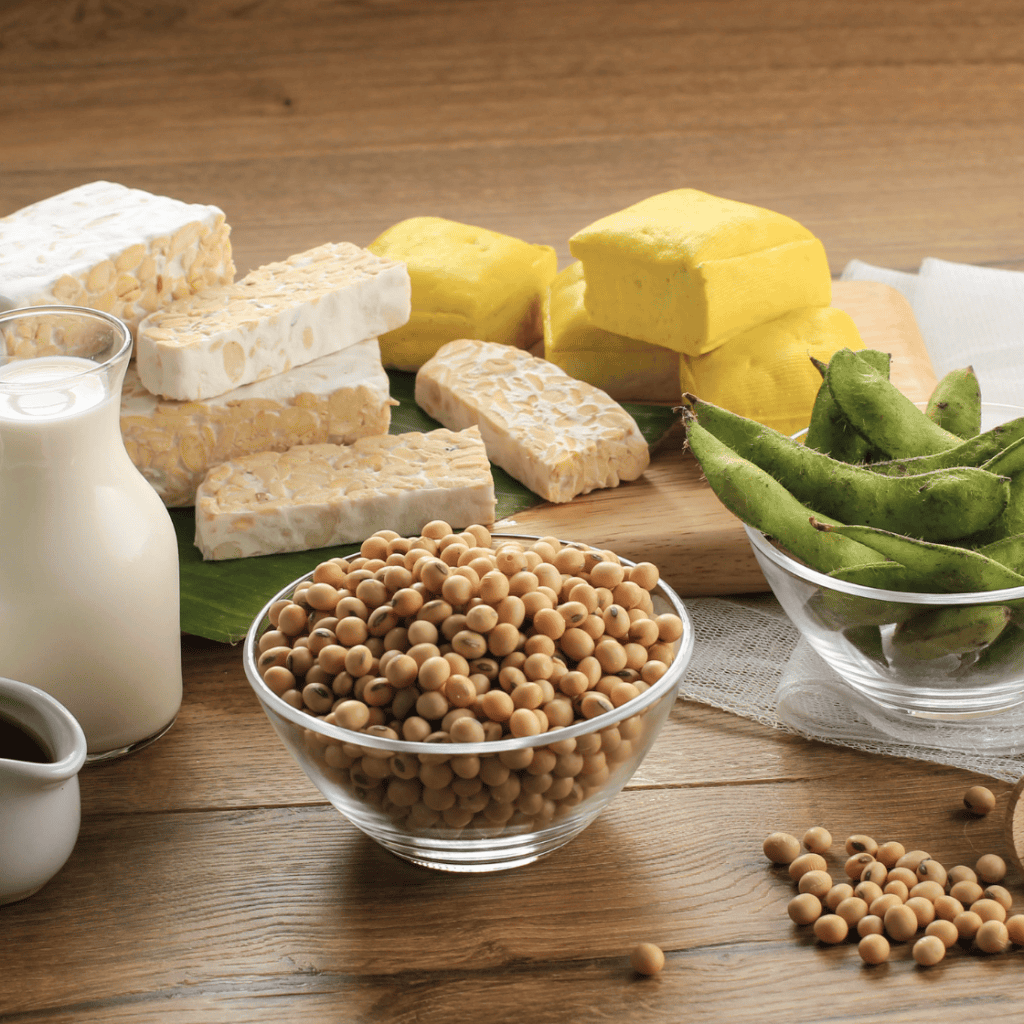
If you decide to mitigate menopausal symptoms you may try to use soy dietary phytoestrogens and include foods such as tofu, tempeh, miso and edamame.
Studies suggest that consuming 30 to 50 mg of isoflavones daily may help alleviate hot flashes. This can typically be achieved by consuming about 1 to 2 servings of soy foods each day.
Common sources of soy products include:
Tofu: About 1/2 cup contains approximately 20 mg of isoflavones.
Soy Milk: 1 cup contains about 30 mg of isoflavones.
Edamame: 1 cup contains around 30 mg of isoflavones.
Tempeh: 1/2 cup contains about 30 mg of isoflavones.
Miso: 1 tablespoon contains about 6 mg of isoflavones.
Nuts, Seeds, and Grains
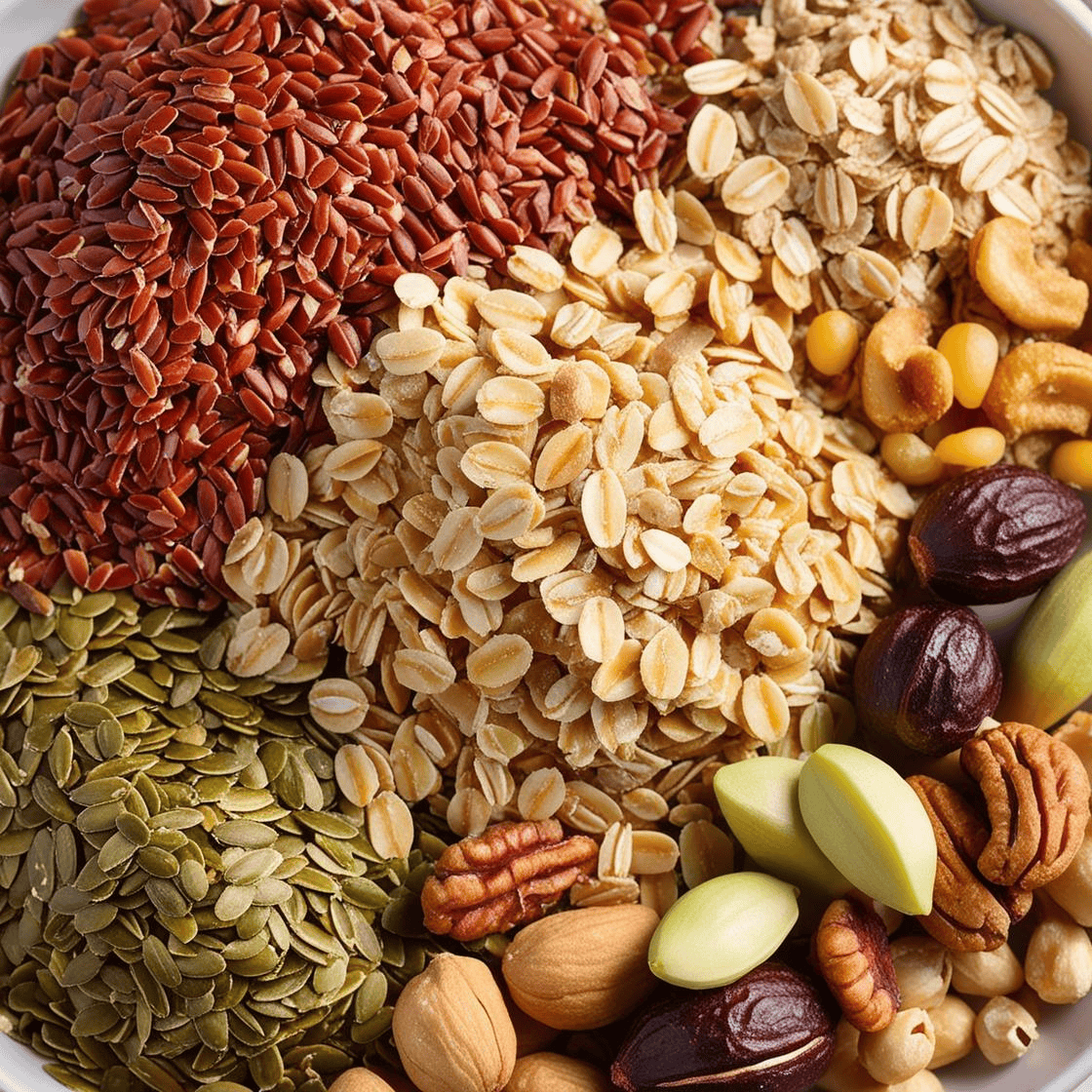
Seeds, nuts, oats and whole grains contain additional lignans, and including them in your daily diet can complement the effects of soy.
Here are some guidelines for incorporating these foods:
Nuts
Serving Size: Aim for about 1 ounce (about a small handful) of nuts per day.
Types to Include: Almonds, walnuts, and pistachios are particularly beneficial due to their healthy fats, fibre, and magnesium content.
Seeds
Serving Size: Start with 1 to 2 teaspoons of ground seeds daily, gradually increasing to 1-2 tablespoons. Remember to hydrate well as high fibre intake can cause temporary constipation if you don't drink enough water.
Flaxseeds are especially noteworthy:
Flaxseeds: About 1 tablespoon (10 grams) provides approximately 70 to 100 mg of lignans and 2.3 grams of omega-3 fatty acids.
Whole Grains
Serving Size: Aim for 3 to 6 servings of whole grains per day, where one serving is equivalent to:
1 slice of whole-grain bread
1/2 cup of cooked brown rice or quinoa
1 cup of whole-grain cereal
Types to Include: Oats, brown rice, quinoa, whole wheat products, and barley.
Fruits and vegetables, while containing fewer phytoestrogens, still contribute; pomegranates, berries, and even garlic contain them in small amounts, which can increase your overall phytoestrogen intake. That's why favouring colourful vegetables, legumes, seeds and nuts, fruits and berries can greatly ease menopausal symptoms and significantly reduce the risk of age-related diseases in the post-menopausal period.
Phytoestrogen Supplements
Isoflavones and Enterolignans
Isoflavones and enterolignagins are often used in capsules as supplement forms. They may be combined with extracts of black cohosh, and red clover to alleviate menopausal symptoms.
Other options include herbal blends that combine these extracts with probiotics, vitamins or minerals to support overall health.
The best supplements often list phytoestrogen content as individual components such as genistein and daidzein, making it easier to assess efficacy and dosage.
Time: For symptom relief, phytoestrogen supplements should be taken consistently for 4-8 weeks to see a noticeable effect as they work gradually. Keeping a symptom diary can help you monitor changes and adjust dosages under your doctor's guidance for optimal results.
Here are list of proven quality supplements if you decide to try them:
Key Ingredients: Contains a potent source of lignans from flaxseed and offers 50 mg of lignans per serving.
Reviews: Known for its efficacy in supporting hormonal health, with users often noting improvements in menopausal symptoms.
Choosing Quality Supplements
Quality Assurance: Look for products that have been independently tested for quality and potency.
Ingredients: Check for organic sources and avoid unnecessary fillers and additives.
Consult Healthcare Providers: Always consult with a healthcare professional before starting a new supplement, especially if you are pregnant, nursing, or have underlying health conditions.
How long it may take to see symptom relief and tips for tracking progress?
If you decide to try dietary changes or supplements to relieve hot flashes, you will have to be patient – as results will not be immediate.
Many women notice a marked decrease in the frequency and intensity of hot flashes after about 4-12 weeks of continuous use of isoflavones, lignans, or lifestyle changes. The timing of relief may vary depending on several factors, including your hormonal status, frequency and intensity of symptoms, and your specific reaction to a particular supplement or product.
As time goes on and you use supplements your symptoms will likely decrease slowly and gradually. To make sure you don't miss progress, start a symptom diary in which you note the frequency and intensity of hot flashes, as well as changes in your diet and the supplements you use.
Such a diary will help you identify patterns and determine what works best for you. In addition, pay attention to other factors such as sleep quality, mood changes and overall energy levels, as these can also be affected by hormonal changes. If you share this information with your healthcare provider, it will help you discuss the effectiveness of your treatment and possible adjustments needed for optimal symptom relief.
Home Takeaway:
Managing menopause symptoms naturally is empowering, and phytoestrogens offer promising relief when combined with a supportive lifestyle.
Incorporating phytoestrogen-rich foods and supplements, alongside regular exercise and mindful practices, can help you feel your best through the transition. Interested in trying phytoestrogens for menopause relief? Start small, take your time, track your symptoms, and consult a healthcare provider to find the most balanced and effective approach for your needs. Embrace this stage of life with confidence and vitality!