
We often think that menopause is a fairly predictable period with well-known symptoms: hot flashes, mood swings and weight gain….
We often think that menopause is a fairly predictable period with well-known symptoms: hot flashes, mood swings and weight gain.
But what if your symptoms of hormonal imbalance during menopause don't resemble the standard hormonal transition at all?
What if, in addition to hot flashes, you encounter sudden allergies, strange sensations on your skin or even mysterious pain and stiffness in your muscles and joints and other things that seem to have no explanation?
These strange symptoms are also related to perimenopause and menopause period and among the lesser-known signs of hormonal imbalance may catch you off guard, leaving you confused and searching for answers.
In this article, we won't look at the typical symptoms – you've probably read enough about them already.
Instead, we're going to look at 10 often misunderstood and overlooked symptoms of hormonal imbalance during menopause that most women aren't warned about. We will also look at cutting-edge advice for prevention and treatments that go beyond conventional recommendations.
If you're feeling out of control and suspect there are more complicated things happening to you during menopause, you've come to the right place. Let's talk about it and find proven and little-known solutions to help you regain control and feel like yourself again.
Why Hormonal Imbalance Isn’t One-Size-Fits-All?
Hormonal imbalance during perimenopause or menopause is a controversial phenomenon.
Some of us go through menopause with minimal symptoms, even if changes in estrogen and progesterone are still drastic. Others face unexpected and sometimes very serious problems. What's behind it?
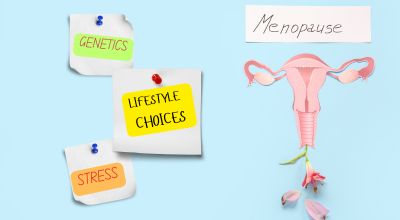
Stress, lifestyle choices, and genetic predisposition are all factors that individually and collectively determine how each of us experiences age-related hormonal shifts.
For example, chronic stress can wreak havoc on the adrenal glands, leading to an overproduction of cortisol, which disrupts other hormones such as estrogen, progesterone and thyroid hormone. An unhealthy diet, lack of exercise and insufficient sleep can exacerbate the imbalance further and make symptoms more severe. While our ovaries are still coping with the pressure of stress, this imbalance can manifest itself from acne, irregular periods and PMS to infertility.
But with years, genetic predisposition, which many of us overlook, certainly adds another layer of complexity. Hormonal imbalances during menopause are largely determined by your genes, which is why some of us experience more intense or differently manifested menopause symptoms.
Certain genetic variations can affect how your body processes estrogen, other hormones and hormone-like substances. Suppose these genes lead to impaired estrogen metabolism. In that case, estrogen levels can become toxically high, potentially switching off your menstrual cycle and causing early menopause, along with severe mood swings and hot flashes.
The COMT gene helps break down estrogen and stress hormones, so if it is working more slowly, you will feel more anxious or have irregular periods.
Other genes like MTHFR, affect how well your body detoxifies hormones, and problems with genes responsible for our cell's receptors to estrogen or ESR1 and ESR2 can make you more sensitive to estrogen.
Finally, the SHBG gene controls the amount of free and active estrogen and testosterone in the body, provoking weight gain or low libido. But these and other genetic factors can be amplified or weakened by lifestyle factors, and that's what can make your experience of menopause symptoms unique.
That's why a one-size-fits-all approach to treating hormonal imbalance during menopause is often ineffective.
Instead, it is important to take a personalized approach that takes into account your unique lifestyle, stress levels, and genetic factors to effectively restore balance. Focusing on what helps your body work – whether it's personalized nutrition, targeted supplements, or stress management strategies, can significantly improve your hormonal health during menopause and beyond – here is more about it in detail.
10 unnoticed symptoms of hormonal imbalance during menopause
Hormonal imbalance during menopause can generate some pretty strange, surprising, and little-known symptoms that go beyond the common hot flashes or night sweats. These symptoms can easily be missed or written off as something else, but they're nonetheless part of the hormonal changes in your body.
10 Unexpected Signs of Hormonal Imbalance During Menopause
1. Chronic Fatigue Syndrome
Many of you during menopause and menopause, experience overwhelming fatigue that goes beyond normal tiredness. Your energy can fluctuate in a wave-like fashion, where periods of feeling energized are suddenly followed by a sharp decline in energy for no particular reason. You may also experience a constant state of lacking energy that is poorly controlled by caffeine.
This chronic fatigue is most likely caused by hormonal fluctuations affecting your levels of cortisol, the hormone responsible for fighting stress. When cortisol begins to “jump” or get out of balance, it can lead to constant exhaustion, even after a good night's rest.
2. Sudden intolerance to certain foods
Menopause can change the way our bodies process certain foods. This happens because of the strong connection between the gut, estrogen and the immune system. When estrogen levels drop, it changes the composition of the microbiota and the condition of the gut wall, where gaps appear (what is known as a leaky gut). You may suddenly develop food intolerances or sensitivities, especially to dairy or gluten, when your immune system begins to overreact to these substances entering through the holes in your gut.
3. New Allergies
The stronger the gut-hormone connection described above works, the more the immune system is aroused. Hormonal shifts can also lead to new allergies or hypersensitivity to existing allergens. Estrogen helps regulate the immune system, so when estrogen levels drop during menopause, your body may begin to overreact to substances like pollen or pet dander, causing sneezing, skin rashes or itching that wasn't there before.
4. Joint pain and muscle stiffness
Many of us can experience unexplained joint pain and muscle stiffness during menopause, even if we have no history of arthritis. Often it is diseases related to the bones and joints that are the cause. However, the fact is that lower estrogen levels increase inflammation in the body, which can lead to joint and muscle pain that is often mistaken for other conditions, such as osteoarthritis.
5. Brain fog
Feeling distracted or unable to concentrate is often the result of brain fog, another symptom of hormonal imbalance. The condition is often associated with increasing insulin resistance, a common problem during menopause, when hormonal changes alter the body's ability to regulate blood sugar levels. It happens because the brain becomes less efficient at using glucose for energy, leading to cognitive decline, memory lapses, difficulty concentrating and confusion. The cause can also be in liver function related to detoxification and excretion of estrogen and estrogen-like substances, genetic predisposition, or deficiency of certain micronutrients.
6. Increased anxiety in social situations
Although anxiety is a common symptom of menopause, some of you experience it more in social situations. This heightened sensitivity may be caused by changes in cortisol and estrogen levels that make the brain's response to stress and fear more pronounced, resulting in a strong desire to avoid social activity and lead a withdrawn lifestyle. It can also lead to feelings of discomfort or intense irritation in familiar and previously comfortable surroundings.
7. Increased sensitivity to heat or cold
Fluctuating hormone levels, especially estrogen, affect your body's ability to regulate temperature. This can lead to increased sensitivity to heat or cold, where you may feel chills where you were previously comfortable, or experience high fevers even in mild weather.
8. Sudden vision changes
When estrogen levels drop, some women experience sudden changes in vision, such as blurred vision or difficulty focusing. Researchers found that estrogen plays an important role in keeping the cornea and retina healthy, so a decrease in estrogen can affect your eyes, especially if you're already predisposed to vision problems.
9. Restless Legs Syndrome (RLS)
Restless legs syndrome is another lesser-known symptom of menopause that is often caused by hormonal shifts that affect the nervous system. Some of you may experience an uncontrollable urge to move your legs, especially at night, leading to disrupted sleep patterns.
10. Hearing problems, such as tinnitus
Decreased estrogen levels can also affect the inner ear, leading to hearing problems such as tinnitus (ringing in the ears). Estrogen plays a role in maintaining healthy blood flow in the ear, and when its levels decrease, you may hear unusual noises, ringing or pressure in your ears.
By understanding and recognizing these often-overlooked symptoms, you can better manage the complex hormonal changes that occur during menopause. Addressing these symptoms with personalized strategies and solutions can improve your overall health and quality of life during this transitional period.
Hormonal imbalance and its interaction with the endocrine system, gut microbiota, and brain
So far, we've learned that hormonal imbalance during menopause are responsible for far more than just mood swings: they have a significant impact on a variety of physiological systems, including the endocrine system, gut microbiota, and even brain function. Recent research shows a very complex relationship between these systems, where disruptions in hormone levels can lead to changes in gut health, which in turn affects overall health.
Interaction between the endocrine system and the gut microbiota
The gut microbiome is crucial for hormone metabolism, particularly in the detoxification and excretion of estrogens and substances called xenoestrogens (similar to our estrogens but not hormones). Research shows that certain gut bacteria (called estrobolome) can convert inactive estrogens into active forms, affecting estrogen levels in the body. The decline in estrogen causes changes in the composition of the microbiota and estrobolome. A study published in Frontiers in Endocrinology describes how decreased estrogen levels during menopause can lead to changes in the composition of the gut microbiota, resulting in dysbiosis, worsening hormonal imbalance during menopause and contributing to the development of various undesirable conditions.
Impact of microbiota on hormonal levels
Recent studies have shown that the gut microbiota can also affect the production of hormones such as estrogen and progesterone. When the gut microbiota is disrupted, hormone absorption is also disrupted, resulting in increased estrogen levels in various tissues and cells, and this leads to an increase in symptoms associated with menopause.
Brain-Gut Connection
The gut-brain axis is one of the most important components to understanding how hormonal imbalance during menopause affects mood and cognitive function. Research has shown that gut bacteria can influence neurotransmitters such as serotonin and GABA, which are essential for mood regulation. A decrease in estrogen leads to a decrease in this type of microbiota, and therefore a strong decrease in the concentration of these important neurotransmitters. The review published in Nature, emphasizes the role of the gut microbiota in modulating the endocrine stress response, further linking gut health to mental well-being.
Inflammation and Hormonal Balance
The hormonal imbalance during menopause associated with a “leaky gut” state (increased permeability of the intestinal wall) increases inflammation, which continues to wreak havoc on both gut and brain health. Increased inflammatory markers lead to even greater gut permeability and, as a result, a cycle of worsening symptoms. The study, published in The Seminars in Cell & Developmental Biology, describes how chronic inflammation, especially in years leading up to menopause, can disrupt the normal functioning of the hypothalamic-pituitary-gonadal (HGo) axis, exacerbating further symptoms of hormonal imbalance for premenopause and menopause.
This intricate relationship between hormonal balance, gut microbiota and brain function shows that the symptoms of hormonal imbalance during menopause may not be limited to the standard set of hot flashes and hormonal fluctuations that cause weight gain. We may experience a very broad list of symptoms and their causes. Understanding these complicated interrelationships can give us new tools to manage our gut health and microbiota and through them our hormonal balance, to improve our overall health during this transitional period and beyond.
Advanced solutions to combat hormonal imbalances during menopause
Menopause can be a very challenging period. Symptoms of different hormonal imbalances may not be self-evident. However, there are ways to reduce these symptoms. Of course, you can seek the help of hormone replacement medications. HRT or hormone replacement therapy can also amplify your hormonal imbalance, which may require additional personal adjustments. Let's take a look at how a combination of natural solutions and lifestyle changes can help balance your hormones and alleviate your symptoms, ensuring you get through menopause more easily and confidently.
The Power of Phytoestrogens and Natural Adaptogens
Phytoestrogens are plant-based compounds that mimic the effects of estrogen. But there's more to it than that. The phytoestrogens contained in flaxseed can modulate or alter the microbiota in the gut, and activate those associated with reducing the intensity of menopausal symptoms without affecting the levels of hormones.
Alongside them, adaptogens such as ashwagandha and maca root support adrenal function, combat stress and restore balance in the hormonal system. These natural solutions provide gentle but effective support for the body during the transition period. Read here all about the best supplements for menopause symptoms.
Probiotics for hormone regulation
As you've already realized, the gut plays an important role in hormone regulation, so we can think of certain probiotic strains that help support estrogen balance.
- Lactobacillus species
Certain species, such as Lactobacillus gasseri and Lactobacillus reuteri are known to promote estrogen metabolism, helping to flush toxic excess estrogen out of the body. Lactobacillus gasseri and Lactobacillus crispatus, have been studied for their role in promoting gut health and potentially aiding estrogen metabolism. These species are often found in a healthy gut and vaginal microbiome and are thought to help restore balance during hormonal changes, including menopause. Some studies suggest that Lactobacillus may help maintain gut integrity and reduce inflammation by indirectly supporting estrogen metabolism.
- Bifidobacterium species
Strains such as Bifidobacterium longum and Bifidobacterium breve are known for their anti-inflammatory effects and ability to produce short-chain fatty acids (SCFAs), which may contribute to gut barrier function. Improving gut health may enhance the role of estrobolome in estrogen metabolism.
- Clostridium species
Clostridium scindens has been identified as a key player in the estrobolome, responsible for converting inactive estrogen metabolites into active forms that the body can reabsorb and even be able to synthesise testosterone. Although testosterone is traditionally considered a male hormone, testosterone therapy can offer multiple benefits for menopausal women, including enhanced sexual function, improved mood, better bone health, increased muscle strength, and potentially supporting cognitive function.
Research on this bacterium emphasizes its role in maintaining hormonal balance, especially when estrogen production decreases during menopause and after hormonal production declines.
By supporting a healthy gut microbiome, these probiotics can improve digestion, reduce abdominal bloating, and even ease mood swings associated with hormonal fluctuations.
By incorporating these strains into your daily routine, you may feel more balanced from the inside out.
Magnesium Glycinate for better sleep and better brain function
Magnesium glycinate is a highly available form of magnesium that not only promotes relaxation but also supports the production of melatonin, the sleep hormone. By taking magnesium glycinate supplements, you can enjoy a deeper and sounder sleep, as well as benefit from its calming effects on the nervous system.
Magnesium plays an important role in gut health by supporting smooth muscle function, helping healthy bowel function, and regulating gut bacteria numbers. Adequate magnesium levels can help prevent gut dysbiosis (an imbalance of gut bacteria), which is often associated with inflammation and digestive problems.
Low magnesium levels are associated with an imbalance in estrogen metabolism, which can exacerbate menopausal symptoms such as hot flashes and mood swings.
Stress management techniques
Stress management is extremely important during menopause, as chronic stress can exacerbate hormonal imbalances. Although meditation is often recommended, other techniques such as breath work offer powerful alternatives for stress relief. Breathing practices such as diaphragmatic breathing or inhaling and exhaling alternating nostrils stimulate the parasympathetic nervous system, lowering cortisol levels and promoting hormonal balance. These easy-to-perform techniques can help you feel more centred and relaxed, even in the face of daily stressors.
Nutritional Hacks for Menopause
Stabilizing blood sugar and cortisol levels is very important during menopause, due to hormonal changes can lead to weight gain and poor health. Interval fasting, designed specifically for menopausal women (16/8: 16 hours of fasting and 8 hours for 2-3 meals), can help regulate these factors and improve women's health. By focusing on eating within specific time frames and incorporating nutrient-rich foods into the diet, an interval fasting regimen can improve insulin sensitivity, reduce cortisol spikes as well as reduce symptoms of hormonal imbalance. You can combine it with a balanced diet rich in healthy fats, lean proteins and fibre, and a marked improvement in symptoms can be achieved.
Nootropic supplements to combat brain fog
Brain fog can be one of the most unpleasant symptoms of menopause, making it difficult to concentrate and keep your mind sharp. Nootropic supplements such as Ginkgo biloba, Bacopa Monnieri, and Rhodiola rosea provide cognitive support to improve memory, focus, and mental clarity. These powerful herbs improve blood flow to the brain and reduce oxidative stress, helping to keep the mind sharp even when hormones fluctuate.
The Future of Menopause Management: What Research is Saying About Hormonal Imbalance and Ageing
Biohacking and personalized medicine
Recent research explores strategies for biohacking, a wide range of practices designed to enhance physical and mental performance. Biohacking combines self-experimentation, nutrition, lifestyle changes and the use of advanced technologies to optimize health, well-being and productivity, including wearable devices that monitor hormone fluctuations in real-time.
These developments are important because they allow us to personalize the management of our hormones to meet our specific needs.
Recent studies highlighted the positive role of fasting, cold therapy, and nutraceuticals in optimizing female hormone levels.
Bioidentical hormone replacement therapy (BHRT) continues to gain attention due to its similarity to the body's natural hormones, providing longer-lasting targeted symptom relief with fewer side effects than hormone replacement therapy.
Microbiota and Estrobolome
A growing body of research is focusing on the role of estrobolome, a group of gut bacteria involved in estrogen metabolism. New research from 2024 suggests that by regulating gut health with probiotic supplementation we can improve estrogen metabolism and lessen menopause symptoms, such as mood swings and metabolic changes.
Researchers are now taking a closer look at how microbiota change during menopause influences systemic inflammation, which can increase symptoms of hormonal imbalance such as joint pain and brain fog. Clinical trials are underway with probiotic strains that may improve estrogen reabsorption and reduce gut permeability, further improving hormone regulation.
Hormone Therapy
In terms of hormone therapy, testosterone therapy and advanced hormone delivery methods are being explored. Menopausal women can also benefit from testosterone for several reasons, primarily related to enhancing overall well-being, improving sexual function, and alleviating some menopausal symptoms.
Advanced hormone delivery methods include transdermal patches and vaginal rings for local delivery of estrogen, which reduces the risks associated with traditional systemic HRT. These developments may lead to safer, more individualized hormone therapy regimens for women who experience menopause.
Future menopause management will include gut wellness strategies, advanced hormone therapy, and real-time biohacking technologies, offering us a more sophisticated holistic and personalized approach to managing hormone issues and the complex effects of hormonal imbalance and ageing.
Actionable Takeaways
Embrace Phytoestrogens and Adaptogens
Start incorporating foods rich in phytoestrogens like flaxseeds, soy, and lentils into your diet. These natural compounds help mimic estrogen and can reduce hot flashes and mood swings. Additionally, consider adaptogens like ashwagandha and maca root, which support your adrenal health and reduce stress-related hormone imbalances.
Support Gut Health with Probiotics
Gut health is essential for hormone regulation, particularly for estrogen metabolism. Consider taking probiotics containing Lactobacillus gasseri and Lactobacillus reuteri, which are known to help balance estrogen levels and reduce bloating and mood swings.
Improve Sleep with Magnesium Glycinate
Supplementing with magnesium glycinate can promote deeper sleep and help balance hormones by supporting melatonin production and calming the nervous system. Better sleep will lead to improved energy and mood throughout the day.
Remember, it is essential for women considering any therapy to consult with healthcare providers to discuss the risks, benefits, and appropriate treatment options tailored to their needs.