
Is there any diet for mood swings during menopause? If the statement “you are what you eat” is true, yes!…
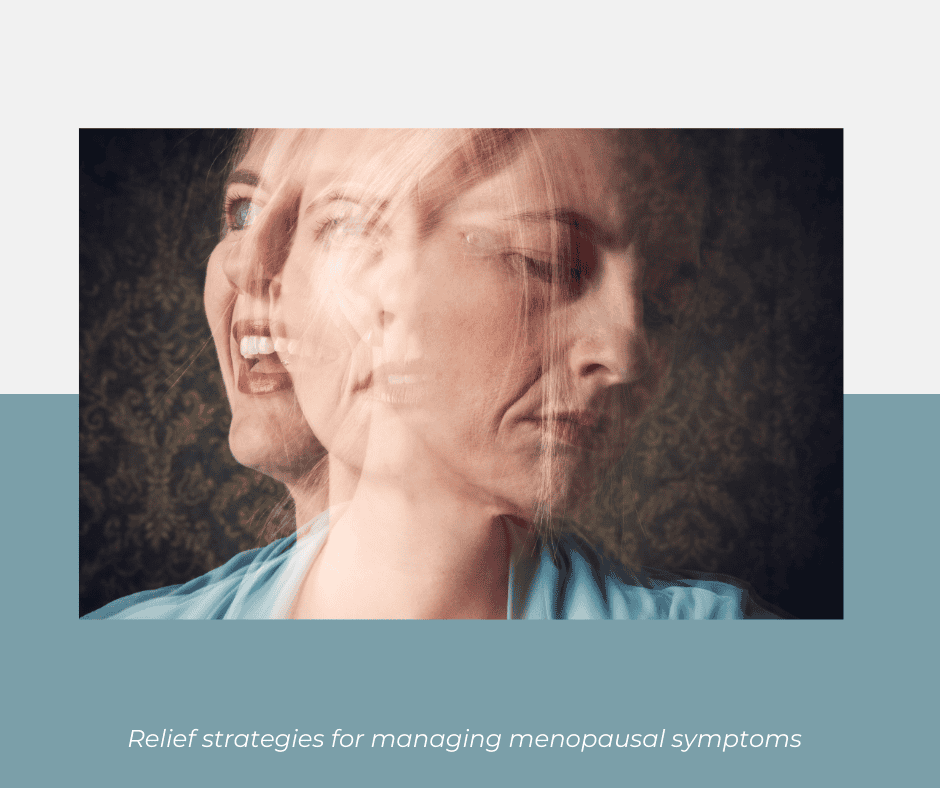
Is there any diet for mood swings during menopause? If the statement “you are what you eat” is true, yes! Let's break down which foods improve and stabilize mood and how to eat to reduce emotional swings and maintain your mental well-being.
Introduction:
Mood swings during perimenopause and menopause can be severe and affect everything from relationships to work and daily routines. Did you know that certain foods can help regulate these emotional swings and other menopausal symptoms or amplify them?
In this article, we'll look at how your diet affects your menopause mood and hormones when your body undergoes profound changes. From nutrient-packed meals to the impact of specific vitamins, we'll look at how simple changes to the foods on your plate can have a noticeable impact on your mood and hormones during menopause. (read here more on Tips for Hormonal Balance for Women 40+). Let's look at practical ways to balance your moods naturally – after all, no one wants to feel out of control!
Why Mood Swings Are Common During Menopause?
Abrupt and unpredictable mood swings are a well-known symptom of menopause experience. They spoil life and confuse about 70% of women going through menopause. The cause of these mood swings is not only due to hormonal changes, known as estrogen and progesterone fluctuations but also to gut health and microbiota. The latter act covertly and for a long time. But we are used to blaming everything on hormones and “treating” ourselves with them too.
During menopause, estrogen levels drop. This hormone helps regulate mood, making you feel uplifted and joyful. Progesterone has a calming effect, but it also decreases. This double shift in hormones creates the perfect situation for a storm of emotional ups and downs, causing many women to feel anxious, angry, irritated, or sad for no apparent reason.
These mood changes are not just about feeling a little “off”. 70% of women complain of increased irritability, anxiety, bouts of sadness or mild depression. Depression is worse in those who have been diagnosed previously and the closer to menopause itself, the more severe and severe the episodes can be (source).
“Hormonal fluctuations during menopause can drastically affect mood and overall emotional well-being. The right dietary choices can ease this transition and promote mental balance.”
Dr. Mary Jane Minkin, OB-GYN, Yale School of Medicine, and menopause expert.
Not surprisingly, middle-aged women (ages 45-64), many of whom are in perimenopause or menopause, have the highest suicide rate among women in the United States. This rate has been rising over the past two decades, proving the strong connection between menopausal symptoms and increased risk of serious mental disorders (source).
Not being able to control your emotions can be overwhelming, especially if these feelings come on suddenly and for no apparent reason. Physical symptoms such as hot flashes, night sweats and trouble sleeping compound the problem, further exhausting you. For some, these changes may be mild, while for others it drives them to depression turning their daily lives and relationships upside down. Recognizing these changes as a normal part of menopause can be a helpful first step.
Managing these mood changes is crucial to maintaining your quality of life and mental well-being. Adjusting your diet, exercising regularly and practising relaxation techniques make a real difference. Each of us experiences menopause differently, so finding the right approach that works for you is important.
Key Nutrients to Balance Mood During Menopause
Our nutrition plays a huge role in maintaining emotional health during menopause. If you have a hard time agreeing with this, try fasting. Fasting will help you realise how much you depend on food mentally. Diet can and should help us manage hormonal imbalances and tame the symptoms associated with menopause.
- You probably heard that a healthy diet may help reduce menopause symptoms. Many randomized controlled trials justified that Mediterranean-style diets help maintain a healthy weight and reduce numerous health risks associated with ageing such as the risk of heart disease and risk of osteoporosis (source 1,2).
These diets are especially rich in certain nutrients that are especially helpful in combating mood swings and stress. By emphasizing foods high in these substances and adding supplements, you can take the first and most important step toward managing menopausal symptoms and moods.
- Omega-3 fatty acids are known to reduce symptoms of anxiety and depression, making them a great addition to any menopause diet plan (source). These healthy fats support brain health and emotional stability. Omega-3-rich foods include salmon, flaxseed and walnuts. Adding these foods to your diet a few times a week can help you feel more balanced and emotionally balanced.
“Omega-3s are essential for brain health and emotional resilience, especially for women in their menopausal years, where mood swings can be challenging.”
Dr. Andrew Weil, Integrative Medicine Expert.
- Magnesium is another important element for mood management during menopause. Magnesium, which has been called the “calming mineral,” relaxes muscles and helps relieve stress (source). Many of us are deficient in magnesium, which can exacerbate anxiety and irritability and even contribute to constipation.
- Green leafy vegetables such as spinach and kale, almonds and avocados are all rich in magnesium and are easy to incorporate into your daily diet. A handful of almonds or avocado in your salad can make a real difference, helping you feel calmer and more focused and sleep better.
- B vitamins, especially B6 and B9 play a key role in emotional health (source 1, 2). Both of these B vitamins help regulate hormone balance, and therefore mood and energy levels, which can fluctuate during menopause.
- Fish, liver, beans and seeds, rich grains and eggs are good sources and are easy to incorporate into your daily diet.
- Phytoestrogens, plant compounds that can quiet the symptoms of menopause, deserve special attention. Phytoestrogens are found in some form in all plants, vegetables, fruits, herbs and berries this is why plant-based foods are often seen as the best choices for women’s health. But soy products (if your thyroid is in good shape), flaxseeds, sesame seeds and chickpeas are particularly beneficial during the menopausal transition. Phytoestrogens in your diet will not only smooth out the symptoms of menopause, but also improve your gut and heart health, make your hair, skin and nails look and grow better, and regulate your appetite. You can rely on them regardless if you opt for hormone replacement therapy or not.
- Finally, vitamin D, often called the “sunshine vitamin,” has been linked to mood stabilization. So go outside in the sunlight or add vitamin D-rich foods such as oily fish, and mushrooms to your diet to feel calmer and more balanced.
Interested in finding more information about the best supplements for menopausal symptoms? Read “Top 19 Hormone-Balancing Supplements and Essential Nutrients for Women 40+: Your Complete New Guide to Wellness(2024)”.
Foods to Include for Mood Stability During Menopause
How to make the ideal menopause diet to maintain emotional balance?
Pay attention to these key foods:
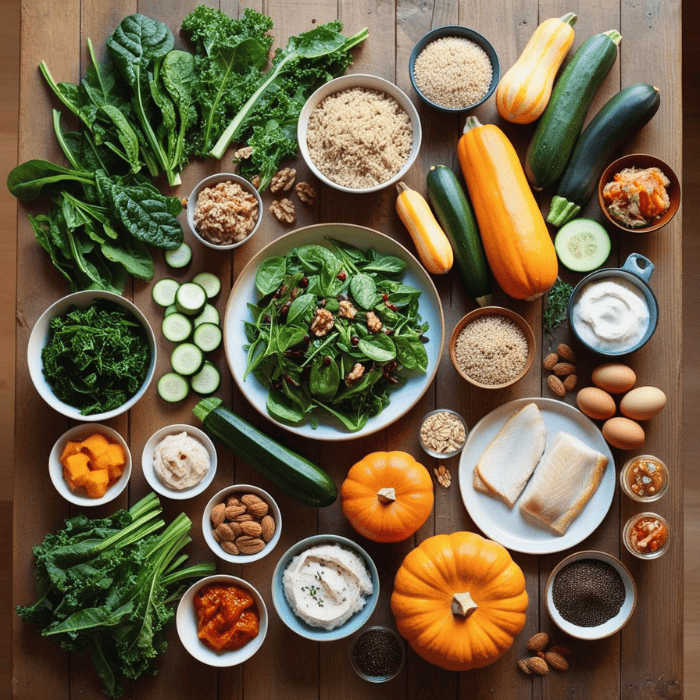
- Leafy greens such as spinach, kale and chard are great options because they are high in magnesium and folate, two nutrients known for their calming effects. Magnesium helps relieve stress, while folate supports the production of serotonin, a feel-good chemical in the brain. Add handfuls of leafy greens to salads, smoothies, or sautés – an easy way to boost and keep your mood elevated with every meal.
- Blood sugar spikes and spikes are a common cause of irritability, so incorporating complex carbohydrates from non-starchy veggies (such as zucchini, cucumbers, peppers, cabbage etc) and gluten-free foods into your diet can help you feel balanced and calm.
- Oats, quinoa and brown rice, lentils, beans and brite root vegetables (pumpkin, squash, yams) can be a great help. These complex carbohydrates release energy slowly, keeping you energized throughout the day. A hearty oatmeal breakfast or a quinoa-based salad for lunch can be hearty, and delicious and help keep you emotionally balanced.
- Fish and seafood rich in omega-3 fatty acids are not only good for the brain but for every cell in our body. Opt for wild-caught if possible.
- Nuts and seeds such as walnuts, macadamia nuts, almonds, flax, pumpkin, sunflower, hemp, sesame and chia seeds are also great choices as they are densely packed with the most diverse array of rare micronutrients. These substances help us stabilize our appetite, weight and mood.
- Fermented foods like fresh probiotic-rich yoghurt, kimchi and sauerkraut are great additions as they support gut health, which is directly linked to mood regulation. A healthy gut without a doubt means a happier mind, sound sleep, and strong immunity – so eating these foods regularly can be a simple way to feel more balanced, healthy and calm.
- Protein sources – Lean poultry (turkey, chicken) is rich in tryptophan, an amino acid that the body uses to produce serotonin, a neurotransmitter that regulates mood and promotes well-being (source).
Eggs, especially the yolk, are high in protein, tryptophan and essential B vitamins (B12 and folate) that support brain function and regulate mood (source). - Grass-fed meat is high in omega-3 fatty acids, vitamin B12, zinc and iron – all nutrients that support mental health and help reduce symptoms of depression.
- If you can't tolerate animal products, use soy – soy products contain protein and phytoestrogens. Consider spirulina – it is high in protein and amino acids that support mental health, as well as omega-3, iron and B vitamins.
Foods to Avoid That Can Aggravate Mood Swings
We are what we eat, remember? So without a doubt, there are foods that can worsen your mood, which is why it's so important to know what you should limit or avoid.
- White refined sugar and simple carbohydrates are the main culprits for blood sugar spikes, unstable insulin and feelings of anxiety and stress.
- Sweets, sodas, “hidden sugars” in packaged foods, and even some fruits can all contribute to the problem. And it's best not to resort to popular sugar substitutes. Rice and maple syrup, erythritol, natural honey, berries and coconut sugar can help satisfy your sweet cravings without the emotional consequences of refined sugar.
- Caffeine is another substance to be careful with. Up to 3 cups of natural organic coffee a day preferably before lunch is forgivable. But, caffeine is a very strong stimulant that will increase anxiety and disrupt sleep patterns, which is critical for mood stability. In addition, caffeine and coffee are different things, and together with too much coffee, we can get harmful substances, such as pesticides and herbicides used on coffee plantations, which aggravate hormonal imbalances and metabolism.
- During menopause, sensitivity to caffeine is often heightened, so even small amounts can have a greater impact. If you experience severe mood swings, try switching to green tea which gives a gentler boost of energy and doesn't cause emotional breakdowns.
- Alcohol can temporarily act as a depressant, but it can negatively affect your metabolism, heart, microbiota, liver and brain function. All of this not only disrupts hormonal balance, exacerbates mood swings and reduces overall emotional stability but also causes strong preconditions for a host of degenerative age-related diseases and mental decline.
- Processed foods, which often contain artificial additives and high amounts of sodium are another large group of foods that are best to forget. These foods can disrupt hormones and increase blood pressure, destroy microbiota and immunity, and contribute to dreadful metabolic disorders and weight gain leading to stress and irritability.
Your plate should be filled with fresh, whole, seasonal, organic and mostly plant-based foods whenever possible. This way you can maintain your physical and emotional health and control your body, mind, emotions and life in general.
Lifestyle Tips to Complement Your Diet for Mood Control
The menopause diet can be a challenge. But there's more.
You'll need to make changes to your lifestyle if you want to manage your menopause mood swings. What should we be paying attention to?
- Regular exercise promotes the release of endorphins, natural mood stimulants that help you feel positive and energetic. Exercise doesn't have to be for the wear and tear to be effective.
- Try walking, swimming, Taichi and yoga are ideal during menopause as they are low-impact for the body and support flexibility and balance.
- Strength training and resistance exercises are also good for bone health and muscle mass, which becomes especially important as we age. Just 30 minutes of movement a few times a week can make a noticeable difference in your mood, energy level and appearance.
- Sleep is one of the most important factors in emotional balance and stability. Getting a full night's sleep gives your brain and body time to reboot, heal, and strengthen your immune system. A routine or establishing a regular bedtime, a cool, quiet and dark bedroom, and avoiding screens an hour before bedtime are important for a full deep sleep. When your body is well-rested, it's easier for you to face the day with a calm and balanced mindset.
- Anti-stress techniques are invaluable in helping to combat mood swings. These include deep breathing exercises, short meditations and yoga to help you stay energized during emotional swings.
- One last thing that shouldn't be neglected is social support – it's invaluable to spend time with loved ones and get-togethers with friends. This is a huge and recently neglected resource that effectively eases emotional ups and downs. Connecting with loved ones and taking care of yourself can help you get through the menopause with a lighter heart and clearer mind.
Home Takeaway:
Menopause is your new chapter in life, and it can be challenging to find a way to help tame mood swings, but it is possible. Very often just a few dietary changes can make a drastic difference. And not just with mood swings, but with other important aspects of health as well.
“Menopause is a natural stage of life that can be made smoother with a balanced lifestyle. Diet, exercise, and support systems can all contribute to a healthier transition.”
Dr. Christiane Northrup, Women's Health Expert and Author of The Wisdom of Menopause.
By focusing on mood-stabilizing foods, avoiding triggers, and embracing positive lifestyle changes, you can regain control and feel more balanced.
Remember, you don't have to go through this alone – share this article with friends or family members who might benefit from it.