
From dietary changes to stress management, let’s examine nine effective ways that years of experience have shown can help you…

From dietary changes to stress management, let's examine nine effective ways that years of experience have shown can help you balance hormones naturally during menopause and feel your best.
Summary
Menopause can seem like a whirlwind of change, but only until you realize that helping your hormones can ease the transition. Your attention may be needed as early as premenopause starts – several years before menstruation stops completely. During this time, the body's levels of key hormones such as estrogen and progesterone change, leading to symptoms such as hot flashes, weight gain, and mood swings. Studies show that 90% of women experience severe menopausal symptoms caused by hormonal imbalances. The presence of these symptoms is nothing more than a sign from the body that it needs to make drastic lifestyle changes.
Understanding Hormonal Imbalance During Perimenopause and Menopause
Fluctuating levels of hormones such as estrogen and progesterone during menopause are responsible for most of our unpleasant symptoms. If ignored, they can end up increasing your risk of developing diseases such as obesity, heart disease, type 2 diabetes, and even breast cancer. I've also noticed that losing my stress tolerance, with moods becoming unpredictable, and I am also losing complete control over my body.
However, these unpleasant conditions can be addressed through lifestyle changes, which will also bring about balance hormones naturally during menopause and after! Effective ways to maintain hormonal health include changing your diet and managing stress. Here are 9 ways to help you take better control of your body and well-being.
During perimenopause and menopause, estrogen and progesterone levels decline, and testosterone, which gives you a sense of strength and energy, declines first, after age 28. The ovaries, which once controlled most of the hormone production, become less active and the body has to adapt.
– Hormones play a critical role in regulating the menstrual cycle, mood, energy, metabolism, and sleep.
– Diseases such as obesity and type 2 diabetes are most often caused by an imbalance of hormones.
– As we age, our cells can lose sensitivity to the chemical messengers that control metabolism. Insulin resistance is very common – but it can be the “entry point” to a new hormonal balance.
– Lifestyle changes, including diet and exercise, are so powerful that they simply CANNOT FAIL to help you manage your symptoms and balance hormones naturally during menopause.
Lifestyle changes can help reduce menopause symptoms and allow you to live more comfortably
Overview of hormonal changes in menopause, focusing on estrogen and progesterone
- As we approach menopause, levels of estrogen and progesterone, the main female sex hormones and important body chemical messengers, begin to decline. This affects almost every part of our body, as almost ALL of our cells are sensitive to estrogen!
- The decline in estrogen levels is exacerbated by the development of conditions such as insulin resistance and obesity. The decline of estrogen is responsible for what we know as “common symptoms of hormonal imbalance”, such as hot flashes and mood swings.
- It is important to realize that these hormonal shifts do not happen overnight. They occur gradually, often several years before menopause, in a phase known as perimenopause.
- Hormones that control metabolism, body fat mass and even mental health FOLLOW this process. Therefore, gradually and incrementally we can make such lifestyle changes that allow us to cope with these fluctuations, reduce symptoms and improve overall health during this transitional period.
So, it is the hormonal imbalance that causes a lot of unpleasant symptoms, mainly due to fluctuations in estrogen levels. One of the most common signs is an embarrassing flushed face, unexpected waves of hot flashes, a sudden feeling of internal intense heat, and a rapid heartbeat that makes you break out in sweat. They often come as night sweats, disrupting sleep and making you feel tired during the day.
Hormonal shifts also affect the brain's neurotransmitters, causing feelings of increased irritability, mood swings, heightened anxiety or even depression.
Weight gain, memory impairment, thinning hair and skin, and decreased libido are also associated with hormonal changes in the body. These imbalances can increase the risk of developing diseases such as type 2 diabetes and insulin resistance.
The drop in testosterone in women may also contribute to mood changes and a loss of motivation, making it harder for us to maintain an active lifestyle.
In some cases, low testosterone during menopause can increase the risk of weight gain, particularly around the abdomen, as well as insulin resistance, which could lead to type 2 diabetes. Balancing testosterone through lifestyle changes, such as strength training and a nutrient-dense diet, may help manage these symptoms and improve overall well-being during menopause.
Diet and Lifestyle to Balance Hormones After Menopause
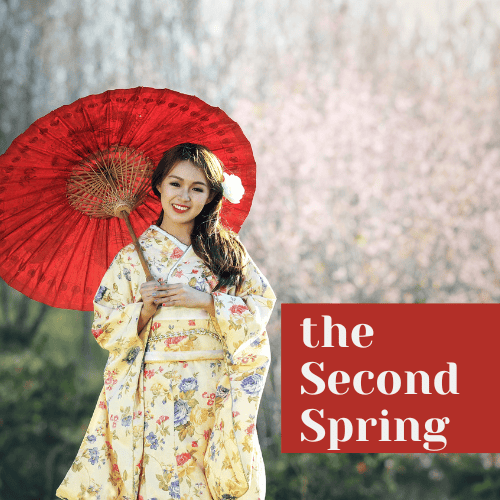
In Japan, menopause is called “The Second Spring” for a reason! Perhaps Japanese women have learned to adapt to the changes in hormones and prolong their healthy lives, enjoying decades after a busy reproductive period.
How do you stop falling into a sad menopause and go into “second spring”?
Our bodies are capable of synthesizing small amounts of estrogen, progesterone and even testosterone even after menopause if we create the conditions for it.
– for non-existent testosterone and flabby motivation, use physical activity (specific exercises)
– for overweight and insulin resistance, use a diet;
– for anxiety, irritability and feeling tired – keep managing stress and improving sleep quality.
Of course, you can do all this at once, simultaneously.
But, I must warn you: as my experience with patients has shown, when we start pushing and changing everything at once, we most likely sabotage the whole plan of miraculous changes.
Change things gradually, for example, after you get used to exercise change your diet. Or, on the contrary, after changing your diet and getting used to new foods and a new eating regimen, gradually incorporate sports.
You can also try the small steps technique and gradually, week by week, implement 65 things that will positively impact your health and well-being and reduce your menopause symptoms.
Your “second spring” will be patiently waiting for you.
1. Diet – Eat More but Healthy to Support Hormonal Balance
Healthy fats and fatty fish for hormone production
You probably heard 100 times to start by changing your diet as some foods are directly associated with hormonal imbalances. What can we start with?
I recommend changing all fats to healthy fats, especially omega-3 fatty acids found in oily fish such as wild salmon, mackerel and sardines. Omega-3s are essential for hormone production and balance, and good for irregular periods, but especially for symptoms of menopause.
These fats play a critical role in building cell membranes, forming new neural pathways and new healthy habits (!!!), and creating and transporting reproductive hormones throughout the body. Without enough healthy fats, your body won't be able to produce key hormones, including estrogen and progesterone, leading to more intense menopause symptoms.
One of the lesser-known facts about omega-3s is their ability to reduce inflammation, which can disrupt hormone production and endocrine glands, making it harder for the body to regulate hormones effectively. Omega-3s help to improve insulin sensitivity, which helps prevent insulin resistance, a common problem for everyone who is going through menopause. Omega-3s also increase the body's ability to metabolize and balance estrogen, reducing symptoms such as hot flashes and night sweats.
Omega-3s help the body eliminate excess or unwanted estrogen supporting detoxification processes in the liver. By excreting excess estrogen, omega-3s promote overall hormonal balance, especially when natural estrogen production decreases during menopause.
How can healthy fats help regulate estrogen and balance hormone levels?
The fats involved in estrogen synthesis both pre- and post-menopause are primarily cholesterol-based.
After menopause, estrogen production shifts largely from the ovaries to adrenal glands and adipose tissue. But we still need cholesterol for estrogen synthesis, especially for the formation of estrone (a weaker form of estrogen produced in adipose tissue). The less cholesterol will have in your diet, the more adipose tissue (AKA FAT) your body will make and hold!
Best fat sources for premenopause and menopause diet
So, we've established why fats are beneficial and why hormone balance is IMPOSSIBLE without them!!!! Below is a short list of healthy foods for each day:
1. Avocados – Rich in monounsaturated fats, avocados support hormone production and reduce inflammation. They are also high in fibre and essential nutrients like potassium, which help regulate metabolism.
2. Nuts and Seeds – Almonds, walnuts, flaxseeds, and chia seeds are excellent sources of both omega-3 and omega-6 fatty acids. These fats promote hormone balance and are important for the health of hormone-producing glands.
3. Fatty Fish – Salmon, mackerel, sardines, and herring are loaded with omega-3 fatty acids, which are crucial for reducing inflammation and supporting hormone metabolism. Omega-3s also help maintain healthy cholesterol levels, which aids in hormone synthesis.
4. Olive Oil – Extra virgin olive oil is a powerhouse of monounsaturated fats that help stabilize blood sugar and reduce inflammation. This oil also supports the adrenal glands, which are involved in postmenopausal estrogen production.
5. Eggs and Full-Fat Dairy – These are cholesterol-rich foods that are important for synthesizing estrogen and other hormones. Cholesterol serves as the foundation for hormone production, making these foods essential for hormonal health, especially post-menopause when the body relies more on peripheral estrogen synthesis.
Include these foods in your daily diet to balance hormones naturally during menopause and support overall well-being.
2. Manage Stress to Lower Cortisol Levels
The connection between chronic stress and cortisol, the stress hormone
Like it or not, chronic stress has a direct impact on our hormonal balance, particularly through the overproduction of cortisol, the main stress hormone. During menopause, this connection becomes even stronger and more important as fluctuating estrogen and progesterone levels make the body more sensitive to stress.
When you are stressed, your adrenal glands secrete cortisol, which is needed to control the “fight or flight” response. However, prolonged stress causes cortisol levels to continually rise, leading to hormonal imbalance.
How can high cortisol disrupt estrogen and insulin levels?
During menopause, high cortisol levels can upset the delicate balance of other hormones, exacerbating symptoms such as weight gain, fatigue and mood swings. Cortisol also disrupts the body's ability to regulate insulin, increasing the risk of insulin resistance and belly fat. In addition, chronic stress can further suppress estrogen and progesterone levels, exacerbating symptoms such as hot flashes, sleep disturbances, and irritability.
Managing stress through relaxation techniques, exercise and adequate sleep is essential to control cortisol levels and maintain hormonal balance during menopause.
Stress management techniques: meditation, yoga, and breathing exercises
Even a few minutes of daily meditation can reduce stress, lower cortisol levels, and help balance other hormones that are often disrupted during menopause. If you want to sleep better, meditate before bed instead of watching the news.
Yoga combines movement and deep breathing, reduces weight, and stress and improves flexibility. Specific yoga poses, such as a child's pose or feet up the wall, are known for calming the nervous system, which lowers cortisol levels and helps alleviate menopause symptoms such as anxiety and insomnia.
Finally, breathing exercises such as deep belly breathing or the 4-7-8 technique can quickly relieve stress at the moment. They activate the system that controls the “rest and digest” response, counteracting cortisol surges. Try taking air into your lungs to the limit and exhaling sharply through your mouth with a shout of “HA!” – this is great for “dumping” the negative feelings that are swirling around in your head non-stop.
3. Incorporate Phytoestrogens to Support Estrogen Levels
What are phytoestrogens and how do they mimic estrogen in the body?
Phytoestrogens are plant compounds found in nature that are similar in functions to estrogen. They can be found in a variety of foods, including soy products, flax seeds, lentils, whole grains, berries, and some vegetables.
When ingested, phytoestrogens bind to estrogen receptors, mimicking its effects. This can be especially helpful for us during menopause, as it allows us to satisfy the cellular hunger for estrogen.
Therefore, a diet with phytoestrogens can reduce menopausal symptoms like hot flashes and mood swings, providing a natural alternative to hormone replacement therapy.
The two main types of phytoestrogens are isoflavones and lignans.
Isoflavones, found mainly in soybeans and soy products, are particularly potent and have been studied for their ability to support hormone balance.
Lignans found in seeds (especially flaxseed), whole grains and vegetables also exhibit estrogenic activity, although to a lesser extent.
Foods rich in phytoestrogens: soy products, flaxseeds, and legumes.
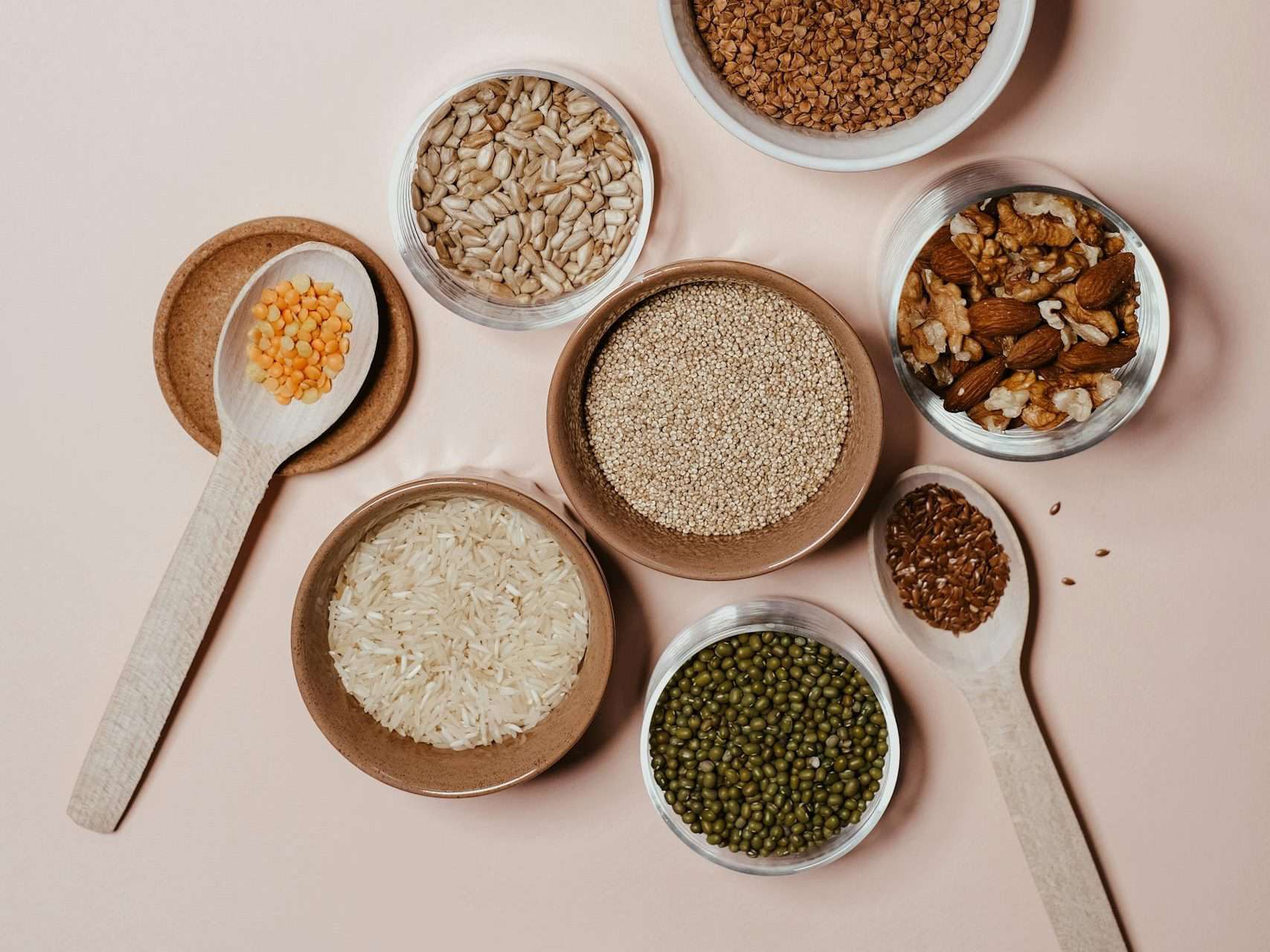
- Foods rich in phytoestrogens: soy products, flaxseeds, and legumes.
- Lentils: These legumes contain isoflavones, a type of phytoestrogen that can mimic estrogen in the body. While lentils are not the highest source compared to soybeans, they still contribute to your overall phytoestrogen intake.
- Whole Grain Products: Whole grains such as oats, barley, and wheat contain lignans, another type of phytoestrogen. These compounds can have estrogen-like effects and are beneficial for hormone balance.
- Soy products: Tofu, tempeh, and soy milk are rich in isoflavones.
- Flaxseeds: One of the richest sources of lignans.
- Fruits and vegetables: Some fruits (like berries) and vegetables (like carrots and yams) also contain phytoestrogens, although in smaller amounts.
- Eating a variety of foods can support hormonal health, especially during menopause. However, if you're looking for concentrated sources of phytoestrogens, soy products and flaxseed are among the top contenders.
4. Exercise Regularly to Improve Hormonal Health
Physical activity helps regulate levels of insulin, cortisol and estrogen, helping to bring all hormones into balance, especially during menopause.
Regular exercise improves insulin sensitivity, allowing the body to utilize glucose more efficiently. Thus, the risk of insulin resistance is reduced, the weight comes back to normal and the risk of developing type 2 diabetes is reduced.
Especially aerobic exercise, strength training and high-intensity interval training (HIIT). Physical activity relieves stress and helps regulate cortisol levels. Exercise stimulates the release of endorphins, natural mood stimulants that reduce stress and anxiety levels.
5. Get Enough Sleep to Balance Hormones
Sleep deprivation significantly impacts cortisol and insulin resistance, creating a cycle that can lead to further hormone imbalance. When you don’t get enough sleep, your body produces higher levels of cortisol, which can increase appetite and cravings, making it more difficult to maintain a healthy weight.
This is especially concerning during the age of menopause, as hormonal changes, particularly a drop in estrogen, can already heighten the risk of insulin resistance. High cortisol leads to higher blood sugar levels and increases the risk of developing type 2 diabetes. This cycle not only affects physical health but also emotional well-being, contributing to anxiety and mood swings.
Improving sleep quality is essential for regulating hormone production, as it helps whole hormonal health and allows it to go smoothly through menopause. Better sleep helps lower cortisol levels and supports balanced insulin and estrogen production.
To enhance sleep during menopause, consider establishing a calming bedtime routine that signals to your body it's time to wind down.
Activities such as reading, gentle stretching, or practising relaxation techniques can be beneficial.
Reducing screen time at least an hour before bed is crucial, as blue light emitted by devices can interfere with melatonin production, a hormone that regulates sleep. Additionally, calming teas like chamomile or valerian root can promote relaxation and help you drift off to sleep more easily. Women can significantly improve their hormonal health and overall well-being by prioritising sleep quality and adopting these practices.
6. Maintain a Healthy Gut for Better Hormonal Function
The gut microbiome plays an important role in hormone metabolism, especially in processing and eliminating excess toxic estrogen from the body. Research shows that gut bacteria are involved in estrogen metabolism, converting it into forms that can be either excreted or left in the body.
A balanced microbiome determines whether we have optimal estrogen levels, while estrobolome, a group of bacteria that sabotage estrogen excretion-can lead to a buildup of toxic estrogen in tissues, potentially increasing the risk of developing estrogen dominance and associated very serious health problems (cancer).
An unhealthy gut is also a hotbed of inflammation and a cause of poor absorption of the most beneficial substances.
To maintain intestinal health and hormonal balance, it is very important to pay attention to how our GI tract is working, whether there is bloating, constipation or diarrhoea. You can restore the integrity of the intestinal wall and improve absorption with broths and vegetable spam purees.
Fermented foods such as yoghurt, kefir, and sauerkraut contain beneficial probiotics that improve gut flora.
In addition, high-fibre foods such as fruits, vegetables and whole grains contain prebiotics, or fibre, which are essential for feeding beneficial gut bacteria and ensuring normal digestion.
By prioritizing these foods, people can create a healthier gut microbiome, which in turn supports hormonal health and alleviates associated symptoms.
7. Support Your Adrenal Glands for Hormone Regulation
The adrenal glands, located at the top of the kidneys, play a crucial role in the production of sex hormones, especially after menopause when the ovaries stop functioning.
They produce hormones such as testosterone and small amounts of estrogen and progesterone, which are vital for maintaining energy levels, libido and overall health.
However, chronic stress and poor lifestyle habits can fatigue the adrenal glands, reducing their ability to produce these crucial hormones, further affecting hormone balance and quality of life during menopause.
To strengthen adrenal function and support hormone production, lifestyle changes and stress relief are necessary.
Reducing stimulants, such as caffeine and sugar, will help reduce the stress on the adrenals, allowing them to function more efficiently.
It is equally important to prioritize rest and sleep, as the body needs time to recover and regenerate.
Meditation, deep breathing and light exercise can also support adrenal health by reducing stress levels.
Taking adaptogens, such as ashwagandha, increases the body's resistance to stress and supports adrenal function.
Ashwagandha, which I love and recommend to my patients, is known for its ability to balance cortisol levels, and can also help boost energy and mood, making it a valuable ally for women going through the hormonal changes associated with menopause.
8. Reduce Exposure to Environmental Toxins
Hormone-disrupting chemicals, often called endocrine disruptors, are found in many everyday products, including plastics, cleaning products, and personal care items.
Substances such as bisphenol A (BPA), phthalates, and parabens can disrupt hormone function by mimicking or blocking natural hormones, leading to a cascade of hormonal imbalances and creating serious problems in a woman's life.
During menopause, exposure to these chemicals can exacerbate hot flashes, mood swings and weight gain. Studies from very reputable academic research institutions show that these disruptors can also contribute to long-term health problems, thyroid dysfunction and an increased risk of developing certain cancers. Therefore, awareness and proactive measures are essential to maintaining hormonal health.
By making simple changes in our daily lives, we can support hormonal and whole health conditions. For example, using glass containers instead of plastic containers for food storage or choosing natural cleaning products free of synthetic fragrances and harsh chemicals, organic personal care products and cosmetics. By taking these steps, you can significantly reduce your exposure to endocrine disruptors, which will help stabilize your hormones and improve your health, especially during times of hormonal transition such as menopause.
9. Consider Herbal Supplements for Hormonal Support
Natural supplements such as black cohosh, maca root and evening primrose oil have attracted attention due to their potential to support hormonal balance and alleviate menopause symptoms.
Black cohosh is particularly known for its ability to alleviate hot flashes and night sweats. It works mainly by blocking follicle-stimulating hormone (FSH) receptors in the brain, which may help to alleviate the body's response to fluctuating estrogen levels during menopause.
Maca root, a Peruvian herb, is renowned for its adaptogenic properties, helping to fight fatigue, improve mood and increase libido.
Evening primrose oil contains gamma-linolenic acid (GLA), which can alleviate symptoms such as breast soreness and mood swings, providing additional support during this transitional phase. When considering natural supplements, I recommend always choosing high-quality products and consulting with a healthcare professional to make sure they are safe and effective.
Why These 9 Ways Can Help You to Balance Hormones Naturally During Menopause
Balancing hormones during and after premenopause is important not only to reduce symptoms but also to improve overall health and reduce the risk of very serious diseases. The methods discussed above – dietary adjustments, stress management, and natural supplementation – provide us with an effective integrated approach.
If you take the time and invest in these strategies, they will begin to work for the benefit of your body's natural processes rather than against them.
For example, consuming healthy fats and nutrient-rich foods will support hormone production and help regulate estrogen levels. Phytoestrogen-rich foods such as lentils and flaxseed will be able to mitigate the effects of lower estrogen levels. Physical activity will not only help balance cortisol and insulin levels but will also increase endorphins, improving mood and reducing weight gain, which is often associated with hormonal imbalances.
Meditation, yoga and deep breathing exercises reduce levels of cortisol, a stress hormone that can throw off hormonal balance and exacerbate menopause symptoms such as anxiety, hot flashes and sleep disturbances.
Natural supplements such as black cohosh and evening primrose oil provide targeted support, addressing symptoms such as hot flashes and mood swings.
Implementing these changes into your lifestyle is guaranteed to help you experience fewer symptoms and better health during and after menopause
Conclusion:
Navigating menopause can be challenging, but balance hormones naturally during menopause is achievable with the right strategies. By focusing on healthy fats, managing stress, and supporting your body with the right nutrients, you can ease menopausal symptoms and feel more like yourself. Try incorporating these lifestyle changes today, and consult with a healthcare provider if needed to create a tailored plan for your hormonal health. Take control of your journey through menopause—it’s time to prioritize your well-being!