Discover the top 19 best hormone-balancing supplements for menopause symptoms. In this review, you’ll learn about and source natural remedies…
Discover the top 19 best hormone-balancing supplements for menopause symptoms. In this review, you'll learn about and source natural remedies to balance your hormones, improve your mood, reduce menopausal symptoms, and support your overall health.
Why? Because hormonal imbalances can leave us feeling off-balance (or, simply put – MAD!)—literally and figuratively!
Did you know that approximately 80% of women experience a hormonal imbalance at some point in their lives? Whether it's fatigue, mood swings or weight fluctuations, many of us experience these symptoms without realizing that hormones are at the root of the problem.
Summary
In this in-depth guide, we've compiled 19 of the best hormone-balancing supplements and essential nutrients for women 40+ to help manage symptoms related to menopause, including anxiety and weight gain. These supplements have been carefully selected based on research, effectiveness, and customer reviews. So, if you're ready to regain control of your hormones and feel your best, let's dive in!
What Are Hormonal Imbalances in Women during Menopause?
Hormonal imbalances can impact your health in ways you might not expect. These imbalances stem from changes in key hormones like estrogen, progesterone, insulin and cortisol. Whether you are experiencing perimenopause, or you just noticed shifts in your mood, energy, or metabolism, these imbalances can have a significant impact on daily life. They're not gonna work themselves out!
And it's time for you to take control of your balance, my dear!
Understanding the causes, symptoms, and solutions is the first step toward feeling your best again.
Overview of Common Causes of Hormonal Imbalances
Many factors can cause your hormonal fluctuations.
Chronic stress will increase cortisol levels, disrupt the production of other hormones and lead to insulin resistance. It triggers sudden feelings of acute hunger and cravings for junk food. Unhealthy diets lead to weight accumulation. Finally, as we age, the production of progesterone and estrogen, key hormones responsible for regulating the reproductive system and mood, naturally declines.
Result?
Flabby and dry skin, extra weight, no libido, little energy, bad mood, heart and vascular problems, dementia and on and on down the list….
The saddest thing is menopause landing when you think you're still young. The causes may lie above the ovaries: GI disorders, deficiencies in key minerals and vitamins, and genetic vulnerabilities and consequences of constant exposure to various hormone disruptors (such as BPA – a substance that behaves like our estrogen).
This is why the hormone havoc (from lack to toxic accumulation) – is so widespread. Its symptoms range from sleep difficulty to metabolic disorders, and it's hard to decide where to start your healing!
Our body is no longer able to cope with these problems on its own. We need help! And this is where supplements, minerals and essential vitamins can be very helpful because they contain key ingredients that will turn chaos into order! In this article, you will learn which supplements and essential vitamins can reduce your symptoms of perimenopause or menopause and prevent bad health outcomes.
Symptoms of Hormonal Imbalances
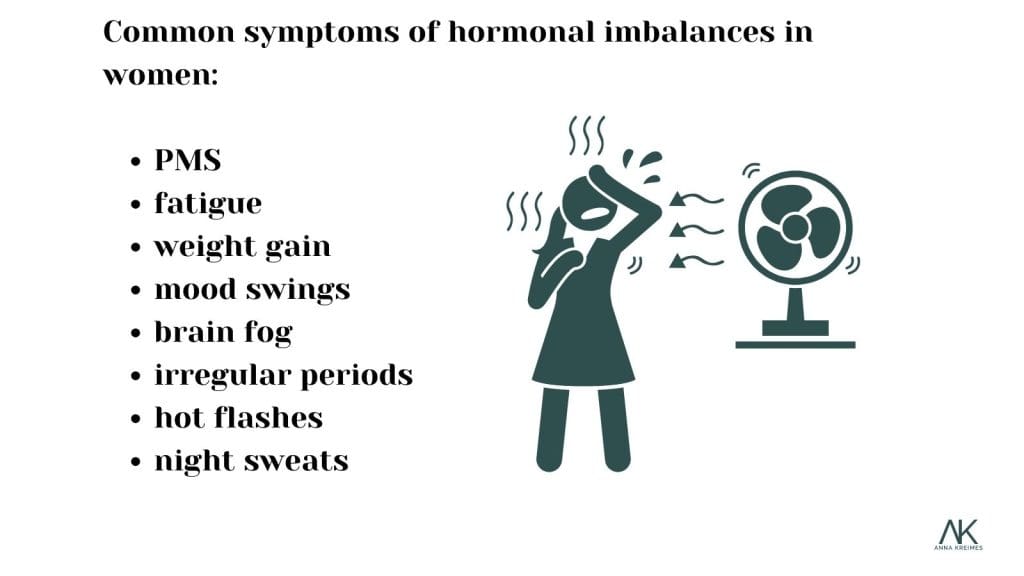
The symptoms of perimenopause and menopause can vary, but common indicators include:
- Unexplained weight gain
- Fatigue and low energy
- Anxiety, irritability and brain fog
- Hot flashes and night sweats
- Irregular periods or worsening menstrual cramps
- PMS or severe mood swings (in perimenopause)
I'll say it again: they can be the result of stress, exposure to hormone disruptors, deficiencies in certain nutrients, the formation of pathogenic microbiota, or natural ageing processes. All of them make menopause appear earlier, with its symptoms more severe than in your grandma and lead to very unhealthy levels of estrogen, insufficient progesterone production, spikes in insulin and cortisol, as well as other factors.
Why Supplements and Vitamins Can Help Balance Your Hormones?
If you're wondering how supplements, vitamins and minerals can ease hormonal issues, the answer is – they can fill in the gaps in normal cellular reactions, support the nervous system, regulate blood sugar, and balance hormone metabolism. FAST!
Specific nutrients such as magnesium, vitamin D and adaptogenic herbs can fix specific cellular metabolic processes, and improve immunity and overall hormonal health.
Supplements and essential nutrients bring your body back into balance, whether dealing with stress-induced imbalances, detox issues or natural age-related shifts. And do it NATURALLY!
Supplements can be a key part of your strategy, but you have to do your bit – apply healthy lifestyle changes. Supplements help you, and you help yourself – it's the only way you'll slow ageing and prolong your healthy and active condition. Ready to dive in? Let’s explore the best hormonal balance supplements for women 40+.
How to Choose the Best Hormonal Balance Supplement?
Choosing the right product to improve hormone balance can seem like an overwhelming task because the choices are dizzying. The key is to focus on your specific symptoms or do a lab test to understand which ingredients are most effective for your needs – the more seriously you go through a selection process, the better the result will be.
Key Ingredients to Look For
Let's go through the symptoms first and find the appropriate supplements:
- Adrenal Health: If you suffer from stress and fatigue, look for adaptogens like Ashwagandha, Rhodiola, and Holy Basil. These help support adrenal hormones like cortisol, which is a major player in chronic stress and lasting anxiety.
- Estrogen Dominance: For those struggling with weight gain, fibroids, endometriosis and tender breasts which are often signs of high estrogen levels, ingredients like DIM (Diindolylmethane) and Calcium D-Glucarate can help regulate estrogen metabolism.
- Liver Support: Your liver plays a crucial role in detoxifying excess hormones. Ingredients like milk thistle and turmeric help promote liver function, and lower inflammation ensuring your body can process and eliminate excess estrogen.
- Bone Health and Osteoporosis Prevention: As women age, bone density decreases, leading to osteoporosis. Key nutrients like calcium, magnesium, vitamin D, and vitamin K2 are essential to maintaining strong bones.
These supplements and essential nutrients can target specific hormonal imbalances, so understanding what your body needs can help you select the right one.
Supplement Forms (Pills, Powders, Liquids)
Hormonal balance supplements come in several forms, including pills, powders, and liquids. Here's how to decide which one is best for you:
- Pills and Capsules: The most common form, these are easy to dose and travel with. Capsules often contain herbs, essential vitamins, and minerals to help balance hormones. However, if you struggle with swallowing pills, this may not be ideal.
- Powders: If you prefer to mix your supplements into a drink or smoothie, powders are a great option. They're easily absorbed and can deliver a broad range of hormone-balancing nutrients.
- Liquids: Liquid supplements are quickly absorbed and may be ideal for those who need fast relief from symptoms like hot flashes or mood swings. They are also easy to dose in smaller amounts.
Your choice should depend on what you're comfortable taking and how fast you'd like to experience the benefits.
Understanding Quality Standards
Not all supplements are created equal. Look for products that meet high-quality standards to ensure you're getting effective and safe hormone-balancing supplements. Two key things to look for:
- GMP Certification: Good Manufacturing Practice (GMP) certification ensures that the supplement is produced in a clean, controlled environment, with strict quality controls in place.
- Third-Party Testing: Supplements that are third-party tested for purity and potency are more reliable. This testing verifies that the product contains exactly what it says on the label and is free from harmful contaminants like heavy metals.
By choosing supplements with these certifications, you can feel confident that you're getting the right mix of essential vitamins and supplements that will truly help regulate your hormones and improve your overall well-being.
Top 19 Best Supplements and Vitamins to Balance Hormones in Women in 2024
Here I give you a list of the most “successful” supplements and the most (in my experience) needed vitamins and minerals to tame hormonal imbalances. You don't have to buy everything at once.
You can choose one or the other based on the recommendations and your preferences. Take the supplement over some time – it can be anywhere from 3 weeks to 90 days (for Vitex) to see how it works for you.
1. Hormone Harmony by Happy Mammoth
- Benefits: Reduces menopause symptoms like hot flashes, mood swings, and night sweats. You will feel more psychologically resilient and stress-proof. Helps your liver detox “bad” estrogens better. Make you a bit calmer.
- Key Ingredients: Ashwagandha, Fennel Seed Extract, Maca Root, Chamomille flower extract, Rhodiola Rosea, Vitex, Wild Yam root extract, Broccoli sprout extract, Gymnema Silvestre root extract, Rosemary leaf extract, vitamin B6.
Expert Advice:
Good for the following symptoms:
PMS (mood swings, cramps)
Menopausal symptoms (hot flashes, night sweats)
Hormonal acne
Adrenal fatigue and low-energy
Start with 1 capsule per day, and if after a week or two symptoms don't improve, consider increasing to 2 capsules.
Dosage compromise: It is difficult to account for optimal doses of each ingredient in a single capsule. Some ingredients are better taken in the morning (Ashwagandha and Maca root), while others are best in the night (Chamomille).
Vitex and Ashwagandha require special dosages to be effective.
Potential interactions: risk of interaction with blood thinners, thyroid medications, diabetes medications, birth control pills or hormone replacement therapy (HRT).
Allergies and sensitivities: Some people may be allergic to one or more of the plant extracts (e.g., fennel, chamomile, or rosemary), especially if they are allergic to related plants such as ambrosia.
2. DIM Supplement by SMNutrition
- Benefits: Supports estrogen metabolism, particularly useful for estrogen dominance.
- Key Ingredient: Diindolylmethane (DIM) and BioPerine.
Expert Advice:
This supplement is a good choice for managing hormonal imbalances, especially in cases of estrogen dominance, PMS, menopausal symptoms, and even PCOS.
The recommended dosage: Start with 1 capsule per day, and if after a week or two symptoms don't improve, consider increasing to 2 capsules.
Potential Interactions:
DIM may interact with birth control pills, hormone replacement therapy (HRT), or other medications that alter estrogen levels, bringing your estrogen level very low.
Both DIM and BioPerine can influence blood clotting, so there’s a potential interaction with anticoagulants such as warfarin or aspirin.
DIM may affect the metabolism of thyroid medications (like levothyroxine)
3. Black Cohosh by NOW Foods
- Benefits: Eases hot flashes and night sweats.
- Key Ingredient: Black Cohosh, Licorice, Dong Quai (Angelica Sinensis)
Expert Advice:
This supplement is good for lowering menopausal symptoms or PMS: Black Cohosh for hot flashes, Licorice Root for adrenal support, and Dong Quai for overall hormonal regulation.
The recommended dosage: Start with 1 capsule per day.
If taking in combination with other hormonal supplements (such as DIM or Vitex), be cautious about taking too many hormone-modulating ingredients at once.
Potential Interactions:
Not recommended if you are on hormone replacement therapy (HRT) or taking birth control pills; if you are on blood pressure-lowering medication, have a history of high blood pressure; or suffer from water retention.
4. Evening Primrose Oil by Nature’s Way
- Benefits: Helps alleviate breast pain, mood swings, and night sweats.
- Key Ingredient: Gamma-linolenic acid (GLA)
Expert Advice:
This supplement may alleviate PMS and menopause symptoms, improve skin conditions like eczema and dryness, reduce inflammation, regulate cholesterol levels and promote cardiovascular health. However, some benefits lack strong scientific backing.
The recommended dosage: Start with 1 capsule 2 or 3 times a day.
Potential Interactions:
Not recommended if you are on blood-thinning medications.
5. Maca Root by Herbal Secrets
- Benefits: Balances hormones, boosts energy, and improves libido.
- Key Ingredient: Maca Root
Expert Advice:
This supplement may support hormone regulation, helping with symptoms of PMS and menopause; used to enhance energy, endurance, and athletic performance. Potentially improves mood and reduces anxiety.
The recommended dosage: The typical dosage for Maca root is 500 mg to 3,000 mg per day, often starting with lower doses and gradually increasing as needed. Morning is the best time to take it to enhance energy and stamina throughout the day.
Potential Interactions:
Maca may interact with hormonal medications and thyroid medications.
6. Omega-3 Fatty Acids by Bare Biology
- Benefits: Supports heart health, and cognitive function, and reduces inflammation.
- Key Ingredient: Omega-3 Fatty Acids (EPA and DHA)
Expert Advice:
This supplement may support hormone regulation, helping with symptoms of PMS and menopause; used to enhance energy, endurance, and athletic performance. Potentially improves mood and reduces anxiety.
The recommended dosage: The typical dosage for Maca root is 500 mg to 3,000 mg per day, often starting with lower doses and gradually increasing as needed. Morning is the best time to take it to enhance energy and stamina throughout the day.
Potential Interactions:
Maca may interact with hormonal medications and thyroid medications.
7. Red Clover by Vitabiotics Menopace
- Benefits: Alleviates hot flashes and improves bone health through isoflavones.
- Key Ingredient: Red Clover
Expert Advice:
This supplement may help alleviate menopausal symptoms, improve bone density, and support cardiovascular health by improving cholesterol levels.
The recommended dosage: is 40-160 mg of isoflavones per day. Can be taken at any time, but consistency in timing may enhance benefits.
Potential Interactions:
Red Clover may interact with blood thinners, hormone therapies, and medications for estrogen-sensitive conditions.
8. Turmeric (Curcumin) by Gaia Herbs
- Benefits: Reduces inflammation and supports joint and estrogen balance.
- Key Ingredient: Curcumin and Black Pepper
Expert Advice:
This supplement is primarily used for reducing inflammation and supporting a healthy immune response. It is beneficial for managing joint mobility and helps maintain an active lifestyle by promoting overall whole-body health. Added black pepper enhances the absorption of curcumin.
The recommended dosage: is 1 capsule 1-2 times daily with meals. Consistency in usage is key to reaping the benefits over time.
Potential interactions: Turmeric may interact with blood thinners, anti-inflammatory drugs, and medications for diabetes due to its potential effect on blood sugar levels. However, it contains sunflower lecithin, which could be a concern for those allergic to sunflower products.
9. St. John's Wort by Nature’s Way
- Benefits: Supports mood balance, reduces anxiety, and eases menopausal symptoms.
- Key Ingredient: St. John’s Wort
Expert Advice:
St. John's Wort is used for supporting mood balance and mental health such as mild depression, anxiety, and irritability, which are common in premenopausal and menopausal women.
The recommended dosage: 2 capsules twice daily, for at least two months to observe its full effects.
Potential interactions: St. John's Wort is known for interacting with antidepressants, birth control pills, blood thinners, and antiviral medications. It may reduce the effectiveness of hormonal contraceptives.
10. Magnesium Citrate
- Benefits: Improves sleep, reduces anxiety, and supports bone health.
- Key Ingredient: Magnesium
Expert Advice:
Magnesium Citrate is particularly helpful for mood swings and irritability, sleep disturbances, muscle cramps and tension, and bone health.
The recommended dosage: is 200–400 mg per day.
Potential interactions: may interact with antibiotics, and certain heart medications.
11. Vitamin D3 + K2 by NOW Foods
- Key Ingredients: Vitamin D3 and K2
- Benefits: Supports calcium absorption and bone density.
Expert Advice:
Vitamin D3 and K2 work together to support bone density, support heart health and
immune function.
The recommended dosage: is 1- 2 capsules after meals, however, it can be increased.
Potential interactions: Vitamin D3/K2 can interact with anticoagulants or blood thinners. Please note that any calcium supplements or calcium-fortified foods will interact with vitamin D conversion into its active form.
12. B Vitamins (B6, B12, Folate)
- Benefits: Supports energy, cognitive function, and mood regulation.
- Key Ingredients: B6, B12, Folate
Expert Advice:
B vitamins are generally recommended for energy production, hormonal metabolism and mental health.
The recommended dosage: of B6 is 1.5–2 mg per day, B12 is 2.4 mcg per day, and folate is 400 mcg per day.
Potential interactions: B6 can interact with anticonvulsant medications, B12 may interact with metformin and proton pump inhibitors and folate supplementation may interfere with methotrexate (used for rheumatoid arthritis and cancer treatment).
13. Collagen by Vital Proteins
- Benefits: Collagen supports healthy thyroid function and offsets cortisol (stress hormone) imbalance.
- Key Ingredient: Collagen peptides
Expert Advice:
Collagen supplements can help improve skin firmness and hydration, and reduce hair thinning and brittle nails. Collagen also supports joint cartilage and bone health.
The recommended dosage: is 2.5–10 grams per day. For bone and joint health, it can grow to 10 grams per day.
Potential interactions: Collagen supplements may place additional strain on the kidneys.
14. Soy Isoflavones by Theralogix IsoRel
- Benefits: Reduces hot flashes and night sweats by mimicking estrogen.
- Key Ingredient: Soy Isoflavones
Expert Advice:
Soy isoflavones are phytoestrogens, plant compounds that mimic estrogen in the body. They can be beneficial for reducing hot flashes, night sweats, and mood swings.
They help support bone density and heart health.
The recommended dosage: is 1-2 capsules per day, depending on the severity of symptoms.
Potential interactions: Soy isoflavones may interfere with thyroid hormone production, and if you are concerned about breast cancer or endometriosis, I would not recommend them.
15. Chasteberry by Nature’s Way
- Benefits: Regulates progesterone and reduces hot flashes and irregular periods.
- Key Ingredient: Chasteberry (Vitex)
Expert Advice:
Vitex agnus-castus or Chaste Tree Berry is commonly used to balance hormones, related to premenstrual syndrome (PMS), irregular periods, mood swings, hot flashes, night sweats, and irritability. It is one of my favourite supplements.
The recommended dosage: you can start from 1 capsule 2-3 times daily for 8-12 weeks, then reduce to 1 capsule for maintenance. With Vitex consistency is key to achieving optimal results.
Potential interactions: Vitex can give you digestive discomfort at a higher dose, and it can interfere with hormone replacement therapy (HRT) or birth control pills.
It can also interact with antidepressants.
16. Probiotics (Lactobacillus and Bifidobacterium Strains)
- Benefits: Probiotics help improve gut health, which is essential during menopause as gut microbiome changes can affect hormone metabolism. Healthy gut flora also aids in reducing inflammation and promoting better digestion.
- Key Strains: Lactobacillus acidophilus, Bifidobacterium lactis
Expert Advice:
Probiotics, specifically Lactobacillus and Bifidobacterium strains maintain a balanced gut microbiome, proper digestion and nutrient absorption. They can reduce bloating, constipation, and diarrhoea and assist in eliminating excess estrogen, mood swings and weight gain. They help to reduce the risk of yeast infections and bacterial vaginosis.
The recommended dosage: is 5 billion CFU. In cases of digestive distress or vaginal health issues, a higher doses, you can opt for 10-20 billion CFUs a day.
Potential interactions: probiotics can interfere with antibiotics, so you should take them a few hours apart. Probiotics are also may pose risks if your immunity is compromised. So, consult with your doctor.
17. Prebiotics (Inulin and Fructooligosaccharides)
- Benefits: Prebiotics feed beneficial gut bacteria and help enhance digestion, boost immune function, and support overall gut health. In combination with probiotics, they optimize nutrient absorption, which is crucial during menopause.
- Key Ingredients: Inulin, Fructooligosaccharides (FOS)
Expert Advice:
Prebiotics, specifically inulin and fructooligosaccharides feed the beneficial bacteria in the gut, such as Bifidobacteria and Lactobacilli, promoting a healthy gut microbiome. This will not only help alleviate constipation, bloating, and irregular bowel movements but also help eliminate waste estrogen. Prebiotics regulate appetite and support weight management.
The recommended dosage: The typical dosage is around 3 to 5 grams per day of inulin or FOS.
Potential interactions: Prebiotics can cause bloating and gas in sensitive individuals, especially those with irritable bowel syndrome (IBS) or small intestinal bacterial overgrowth (SIBO).
18. Adrenal Support with Ashwagandha
- Benefits: Helps regulate cortisol levels, improving stress response and overall hormonal balance.
Expert Advice:
Ashwagandha is especially beneficial if you are over 40, as it helps manage stress and supports overall hormonal balance. If you constantly feel burnt out due to stress, Ashwagandha can help balance cortisol, improve energy levels and reduce fatigue.
The recommended dosage: for Ashwagandha root extract is between 300-500 mg per day, taken 1-2 times daily, better in the morning.
Potential interactions: Ashwagandha may enhance the effects of thyroid hormone replacement therapy, lower blood sugar and blood pressure, and induce a calming effect by amplifying sedative medications.
19. Flaxseed and Flaxseed Oil
- Benefits: Contains omega-3s and lignans that help reduce hot flashes and improve cardiovascular health.
Expert Advice:
Flaxseed, especially freshly ground contain a special fibre called lignans. Lignans are converted by microbiota into estrogen-like substances, which helps to reduce symptoms of menopause and improve intestine functions.
The recommended dosage: 2 tablespoons a day of freshly ground flaxseeds, mixed with smoothies, yoghurt, soups etc.
Potential interactions: Flaxseed are very rich in fibre, so a high amount may provoke constipation and increase bloating. You can reduce it by starting with a smaller dose such as 1 teaspoon a day.
How to Start with Supplements to Balance Your Hormones?
Seriously, I know, it feels overwhelming! The best thing about supplements is to ask a specialist and follow their advice. Remember, you can always start by changing your diet, improving sleep hygiene and adding some movement to your daily schedule.
If you cannot or have difficulty reaching a specialist, you can try supplements on your own. It can however take some time until you hit the right one.
How can you do it? Follow Your Symptoms!!!
What bothers or worries you the most:
- What bothers or worries you the most?
- How are you sleeping?
- How do you react to everyday stress?
- Do you feel burnout?
- How is your bowel function?
- How does your skin and hair look?
- Are you overweight?
- Have there been cases of breast, ovarian and uterine cancer in your family?
Answer all of these questions and identify the ESSENTIAL and the non-essentials. Then go back to the list of supplements and choose something for your ESSENTIAL symptoms. Eliminate dosage compromise. Decide what dose you will start with.
Try it for a month (90 days for Vitex!!!) and monitor how you feel! Then reevaluate.
How do Diet and Lifestyle Impact Hormonal Balance?
You have probably heard it a thousand times, but diet and lifestyle play an essential role in regulating hormone levels and maintaining overall hormonal balance. So don't ignore it!
The right food choices, consistent exercise, and quality sleep are critical steps in managing hormone fluctuations, especially during menopause and perimenopause. Below, we’ll explore which foods, lifestyle habits, and practices help balance your hormones and which ones to avoid.
Foods to Eat for Hormone Health
Eating the right foods can provide your body with the essential vitamins and nutrients it needs to maintain hormone balance. Here are some top foods to include in your diet:
- Leafy Greens: Vegetables like spinach, kale, and Swiss chard are packed with vitamins like B6 and magnesium, which are essential for hormone production and regulation. They also contain antioxidants that help reduce inflammation, supporting overall hormonal health.
- Flaxseeds: Rich in omega-3 fatty acids and lignans (a type of phytoestrogen), flaxseeds help support healthy estrogen levels and can reduce symptoms of PMS. These tiny seeds are great for women looking to balance hormones naturally.
- Fatty Fish: Foods like salmon, sardines, and mackerel are rich in omega-3s that help support brain function, reduce inflammation, and regulate hormonal balance. Omega-3s also play a role in balancing insulin levels, which is key for those dealing with hormonal imbalance or insulin resistance.
These nutrient-dense foods help provide essential vitamins like B6, B12, and omega-3 fatty acids, which are critical for maintaining hormone balance.
Foods to Avoid
Certain foods can wreak havoc on your hormone levels, leading to hormonal imbalance. Here are the ones to minimize or eliminate:
- Refined Sugar: Excessive sugar intake spikes insulin levels and can lead to insulin resistance, a condition that disrupts normal hormone function. High blood sugar can also trigger mood swings and weight gain, making it harder to maintain hormonal harmony.
- Processed Foods: These foods often contain unhealthy fats and artificial additives that interfere with your body’s ability to produce and regulate hormones. Many processed foods lack essential vitamins and nutrients, contributing to inflammation and hormonal imbalances.
Avoiding these foods can go a long way toward balancing your hormones naturally, especially when paired with healthy lifestyle habits.
The Role of Exercise and Sleep in Hormonal Regulation
Exercise and sleep are just as important as diet when it comes to balancing hormones. Regular physical activity helps regulate key hormones like insulin and cortisol while promoting the production of endorphins and serotonin—hormones that help reduce stress and improve mood.
- Exercise: Moderate, consistent exercise such as walking, yoga, or strength training can reduce stress hormones like cortisol and improve insulin sensitivity, which is key to preventing hormonal imbalances. It’s also great for menopause support, as it helps regulate weight and boosts energy levels.
- Sleep: Sleep is essential for hormonal balance, especially for regulating hormones like cortisol and melatonin. Lack of sleep can disrupt these hormones, leading to increased stress, mood swings, and weight gain. Prioritizing 7-8 hours of quality sleep each night is crucial for supporting healthy hormone function.
Incorporating nutritious foods, avoiding processed options, and maintaining an active lifestyle with good sleep hygiene are key steps in achieving and sustaining hormonal balance. These habits support your body's ability to produce and regulate hormones, helping you feel balanced and energized.
Interested in finding out how you can easily combat perimenopausal and menopausal symptoms? Click this link to discover how to get your hormone balance back to feel like yourself again.
Are Hormonal Balance Supplements Safe?
When it comes to hormone-balancing supplements, safety is always a concern. While many supplements are made with natural ingredients and are generally well-tolerated, it’s important to understand potential side effects and know whether certain groups should avoid them. As with any vitamins and supplements meant to address hormone imbalances, consulting a healthcare professional is key to ensuring they’re safe for your specific needs.
Potential Side Effects to Watch Out For
Even the best supplements designed to balance hormones can cause side effects in some individuals. Here are common side effects you should be aware of:
– Digestive Issues: Some supplements, particularly those containing herbs like black cohosh or DIM, can cause upset stomach, nausea, or cramping.
– Allergic Reactions: Certain ingredients, such as soy isoflavones or evening primrose oil, can trigger allergic reactions in sensitive individuals. Watch for symptoms like itching, rash, or swelling.
– Ironically, overuse of hormone-balancing supplements can sometimes lead to new hormone imbalances. For instance, taking too much DHEA or progesterone supplements without proper guidance could disrupt the delicate balance of your sex hormones.
– Thyroid Function: Supplements like ashwagandha and iodine may interact with thyroid hormones, so those with thyroid conditions should be cautious.
It's important to keep these potential side effects in mind, especially if you're experiencing any new or unusual symptoms after starting a supplement.
Who Should Avoid Certain Supplements?
Not all supplements are safe for everyone. Certain groups of women should avoid or be cautious when using hormone-balancing supplements:
– Pregnancy: Pregnant or breastfeeding women should be extremely careful with supplements that affect hormones, such as Vitex or black cohosh, as these can interfere with pregnancy-related hormone fluctuations.
– Women with PCOS: If you have polycystic ovary syndrome (PCOS), it’s essential to be cautious with supplements that impact insulin levels, such as DHEA or maca root. These can sometimes worsen insulin resistance, a common issue in PCOS.
– Pre-existing Medical Conditions: Women with thyroid disorders, liver disease, or high blood pressure should avoid supplements like black cohosh, red clover, or high doses of turmeric, which could exacerbate their conditions. Additionally, those on hormone replacement therapy or certain medications should consult their doctor to avoid interactions.
Consultation with Healthcare Professionals
It’s vital to consult with a healthcare provider before starting any new supplement, especially one aimed at balancing hormones. Your doctor can assess your overall health, consider any pre-existing conditions, and recommend supplements that are safe for you. They can also advise you on the appropriate dosage to avoid complications from over-supplementation.
A healthcare professional will help you navigate the delicate interplay of hormones, ensuring that the supplements and essential nutrients you're taking will complement your existing health plan. Whether you're dealing with PMS, menopause, or insulin resistance, professional guidance can help you manage these issues safely while avoiding unwanted side effects.
By understanding the group of vitamins, herbs, and hormone-balancing supplements available, and by consulting with a professional, you can make informed choices on your journey to full hormonal balance and overall well-being.
Is it Possible to Balance Hormones Naturally?
Achieving hormonal balance is an essential part of maintaining overall health and well-being, especially for women going through menopause or experiencing hormone fluctuations. The combination of hormone-balancing supplements, a healthy diet, regular exercise, and stress management can make a significant difference in how you feel.
Lifestyle Changes to Pair with Supplements
While taking a supplement can help, pairing it with the right lifestyle changes amplifies the results. Here are some key adjustments:
– Diet: Focus on eating nutrient-dense foods like leafy greens, flaxseeds, and fatty fish, which contain vital nutrients like vitamin B6, omega-3 fatty acids, and magnesium. Avoid processed foods and refined sugars that can disrupt insulin levels and hormonal balance.
– Exercise: Incorporating moderate exercise such as walking, yoga, or strength training helps regulate hormones like cortisol and insulin. Exercise also supports healthy weight management, which is crucial for hormonal health.
– Sleep: Quality sleep is essential for full hormonal balance and harmony. Aim for 7-8 hours of sleep each night to allow your body to reset and maintain balanced hormone production.
Adopting these lifestyle habits alongside the right hormonal supplements can create a supportive environment in a woman's life.
Choosing the Right Supplement for Your Needs
Navigating the world of supplements and essential nutrients can be overwhelming, but by focusing on your specific symptoms and health needs, you can find the best supplements to address these hormonal challenges and alleviate symptoms associated with hormonal imbalance. Start by identifying your symptoms, whether they relate to menopausal symptoms such as hot flashes or irritability, stress, weight, or other issues, and select supplements that target those areas. Try it for a couple of weeks letting your body adjust or show unpleasant reactions. Always consult with a healthcare provider to ensure that the supplements you choose align with your health goals.
Take control of your hormonal health today—explore these hormone-balancing supplements and essential nutrients to find the ones that will best support your journey to full hormonal balance and harmony.
Takeaway:
Balancing your hormones naturally if possible even if it can feel like an uphill battle, but with the right combination of supplements, diet, and lifestyle changes, it’s completely achievable. From easing menopausal symptoms to regulating cortisol levels, the best hormone-balancing supplements for women are packed with powerful ingredients that can make a real difference. Remember, every woman’s body is unique, so it’s important to choose the supplement that aligns with your specific needs.
Ready to take control of your hormones and feel your best? Start by exploring these top-rated supplements today!
FAQ: Hormonal Balance Supplements and Vitamins for Women
1. What are the common symptoms of hormonal imbalances in women?
- Common symptoms include PMS, fatigue, weight gain, mood swings, irregular periods, and hot flashes. These can occur due to fluctuations in key hormones like estrogen, progesterone, insulin and cortisol.
2. How can supplements and vitamins help with hormonal imbalances?
- Hormone-balancing supplements and vitamins can support the body by optimising vital processes of hormone metabolism. For example, magnesium, vitamin D, and omega-3s help regulate insulin and estrogen metabolism, reduce inflammation, and restore hormonal harmony. Herbs like Vitex and Ashwagandha also support hormone production and balance.
3. What are the best supplements for menopause symptoms?
- it all depends on your body's specific needs. The most popular supplements for menopause include:
- Black Cohosh: Helps reduce hot flashes and night sweats.
- Evening Primrose Oil: Alleviates breast pain and mood swings.
- Maca Root: Supports energy and balances estrogen.
- Omega-3 Fatty Acids such as high-quality fish oil supplements: Reduce inflammation and support heart health.
- Magnesium
- Vitamin D3
- B vitamins
- Probiotics or healthy bacteria
- Prebiotics or fibre
4. Are hormonal balance supplements safe?
- Generally, supplements and vitamins are safe when taken as directed, but they may cause mild side effects like digestive upset or allergic reactions. It’s important to consult a healthcare provider, especially if you have pre-existing conditions or are taking medications.
5. How long does it take for hormonal balance supplements to work?
- The time varies depending on the supplement and the individual's hormonal levels. Most women begin to notice improvements within 4-6 weeks, especially when combined with a healthy diet and lifestyle changes.
6. Can I take hormonal balance supplements while on birth control or hormone replacement therapy (HRT)?
- You should consult your healthcare provider before combining supplements with birth control or HRT, as some herbs and nutrients may interact with these treatments, potentially altering their effectiveness.
7. What foods help balance hormones naturally?
- Foods like leafy greens, flaxseeds, fatty fish, and whole grains provide essential nutrients like B vitamins, omega-3 fatty acids, and magnesium. These nutrients help regulate estrogen, improve insulin sensitivity, and support overall hormonal health.
8. What lifestyle changes can improve hormonal balance?
- Key lifestyle changes include:
- Regular exercise reduces cortisol and regulates insulin.
- Adequate sleep (7-8 hours per night) to balance hormones like melatonin and cortisol.
- A balanced diet rich in whole foods, healthy fats, and antioxidants to support hormone production.
9. Can men use hormonal balance supplements designed for women?
- While most supplements for hormonal balance are tailored to women, some ingredients like Ashwagandha, Maca Root, and Omega-3 Fatty Acids can benefit men by regulating stress and supporting overall hormonal health.
10. Who should avoid hormone-balancing supplements?
- Women who are pregnant, breastfeeding, or have conditions like PCOS, thyroid disorders, or liver disease should consult a healthcare professional before taking these supplements. Some ingredients may worsen certain conditions or interact with medications.
11. Can I take hormone-balancing supplements with prescription medications?
- Some hormone-balancing supplements may interact with prescription medications, such as birth control pills or hormone replacement therapy (HRT). It is essential to consult with a healthcare professional before combining supplements with any medication to avoid adverse interactions.
12. Can hormone-balancing supplements help with weight loss?
- Some hormone-balancing supplements, such as DIM and Maca Root, may help manage weight gain related to hormonal imbalances by supporting estrogen and insulin regulation. However, these supplements should be combined with a healthy diet and regular exercise for effective weight management.
13. What are the benefits of taking omega-3 fatty acids for hormonal balance?
Omega-3 fatty acids help reduce inflammation, support cognitive function, and regulate hormones. They are particularly beneficial during menopause and for women with PMS, as they help balance estrogen levels and improve mood.