Hormonal balance for women 40+ is vital as overall health and well-being depend on it. As we approach perimenopause, hormonal changes…
Hormonal balance for women 40+ is vital as overall health and well-being depend on it. As we approach perimenopause, hormonal changes can take a serious toll on both our physical and emotional health.
Whether it's fatigue, mood swings, stubborn weight, waking up at 3 a.m. feeling out of sorts, or other symptoms of perimenopause – it's about hormones. But I have good news: you don't have to resign yourself to living like this!
There are 65 ways to combat perimenopausal and menopausal symptoms to get your hormone balance back to feel like yourself again.
Ready?
Balancing your hormones in your 40s or 50s is doable. It takes awareness and lifestyle changes. And trust me, when you start feeling like “you” again, it will be worth it. So if you notice these symptoms in yourself, don't ignore them. Dive into the work, make changes, and see things fall into place.
Summary
Hormonal balance for women 40+ can fix fatigue, weight gain, and mood swings. This guide will uncover proven tips to help you get hormones in order and live your best life.
What Are the Most Effective Ways to Naturally Balance Your Hormones After 40?
Honestly, I never really thought about hormonal balance until I hit 40. Everything seemed fine, and then suddenly—bam! My energy tanked, my weight started to creep up (even though I hadn’t changed anything in my diet), and don’t even get me started on the mood swings. I am talking about premenopausal changes.
If you're feeling the same way, trust me, you’re not alone – 80% of women experience hot flashes and night sweats just after they turn 40!! Before 40 we rarely go through drastic hormonal change, our hormones tend to move smoothly during monthly cycles, and we are used to not paying attention. But after 40, that smooth cycle becomes a distant memory, and we suddenly find ourselves in the middle of a hormonal storm that feels impossible to control. But guess what? It is possible!
We’re talking about creating a new hormonal balance. From the day we get our first period to the very last, our health depends almost entirely on key hormones like estrogen, progesterone, cortisol, insulin, melatonin and testosterone. As we age, we become more reliant on the balance between these hormones. When we’re younger, their communication happens almost automatically. But after 40, we are responsible for our health and have to take it into our own hands – too bad no one told us this sooner!
Our hormones regulate everything from metabolism and sleep to mood and energy levels. What are the warning signs that things are off balance? You’ll know it when you feel it! Even before your cycle starts acting up, symptoms like weight gain, insomnia, irritability, and brain fog can signal your hormones are on a roller coaster.
I remember when I first started feeling “off”—I chalked it up to being tired from work, stressed, and constantly chasing after the kids. I even thought, “Am I just getting old?”
But while these changes are normal, and tell us about a significant change in hormone levels, you don’t have to accept them and learn to live with them. No! The sooner you do, the sooner you’ll start ageing!
You need to learn a new lifestyle and new habits that will help restore and improve your hormonal health. Naturally.
The Key Hormones You Need to Know After Age 40
In this article, I will not talk about the precise amount of each hormone, or about hormonal fluctuations, follicle-stimulating hormones or luteinizing hormones or birth control pills. We know hormones play a crucial role in our health, and many health conditions are directly associated with hormonal imbalances. Instead, let's dive into basic stuff about key players and see what things can we change today to make us feel better.
Testosterone: The early leaver
Estrogen and progesterone are the reproductive hormones, the primary players in this hormonal dance. Your beauty and peace of mind depend on them, but not your energy! That’s where testosterone comes into play. In women testosterone levels start to decline after about age 28, and by 40, low libido and lack of physical activity are the first signals of starting hormonal imbalance we often miss.
Progesterone: The Calm Keeper
When progesterone drops, things like PMS, sleepless nights, and mood swings can take over. If you’re waking up at 3 a.m. every night, wide awake and upset, it’s also related to lower progesterone levels.
Estrogen: The Good, the Bad, and the Imbalanced
Estrogen is known as both “good” and “bad” for a reason. As we approach menopause, the “good” estrogen levels start to decrease, while the “bad” estrogen can rise. This imbalance leads to hot flashes, weight gain, and brain fog.
Cortisol: The Stress Hormone
If you’re constantly stressed and not sleeping well, your cortisol levels are likely off the charts. High cortisol affects everything else—slowing your cycle, lowering progesterone, and storing belly fat (ugh).
Insulin: Weight Game Changer
This stubborn belly fat is frustrating when you’re eating right and exercising, yet the scale doesn’t budge. That’s because, as we age, we lose sensitivity to insulin, making it easier to store fat, especially in the belly area.
Melatonin: The Sleep Regulator
Melatonin production naturally declines with age, which is why many women over 40 have trouble sleeping. Since melatonin is closely tied to hormonal regulation, poor sleep can worsen hormone imbalances like cortisol and progesterone, making it difficult to restore overall hormonal harmony.
The first step to naturally balance your hormones is realizing that they are all connected and that the control of them is now completely in your hands!!!!
Here's what every woman after 40 should do to get her hormones in order
Build healthy sleep hygiene and learn to manage stress
1. Understand Sleep Changes After Age 40
As we age, sleep becomes more challenging. Waking up at 3 a.m. to mentally tackle the day’s to-do list becomes all too common. Lack of quality sleep keeps cortisol (the stress hormone) elevated, which can lead to weight gain, mood swings, and sluggish energy levels.
2. Establish Consistent Sleep Routines
Going to bed at the same time every night made a huge difference for me. Consistency helps regulate your internal clock, making it easier to fall asleep and wake up feeling rested.
3. Limit Screen Time Before Bed
Reducing blue light exposure by cutting down on screens at least an hour before bedtime boosts melatonin production, improving sleep quality. Instead, try reading a book or listening to a podcast to wind down.
4. Incorporate Relaxation Techniques
Yoga, meditation, and deep breathing in the morning routine or before bed help reduce stress and lower cortisol levels. You sleep deeper and your brain will produce more melatonin, lessening inflammation and improving your health.
5. Try Journaling to Unload Stress
Writing down your thoughts and worries before bed can clear your mind and prevent nighttime anxiety. It helps you reflect and often puts things into perspective.
6. Limit Caffeine Intake
As much as I love coffee, I had to limit my caffeine to the mornings. Afternoon caffeine disrupts sleep quality, making it harder to get the rest you need. So keep it simple: one cup of coffee in the morning and herbal tea in the afternoon.
Help Your Hormonal Balance with the Right Food Choices
7. Combat Stress Daily
Stress impacts hormonal balance significantly. Make stress management a priority, even if it’s just 10 minutes of mindful breathing or journaling each day.
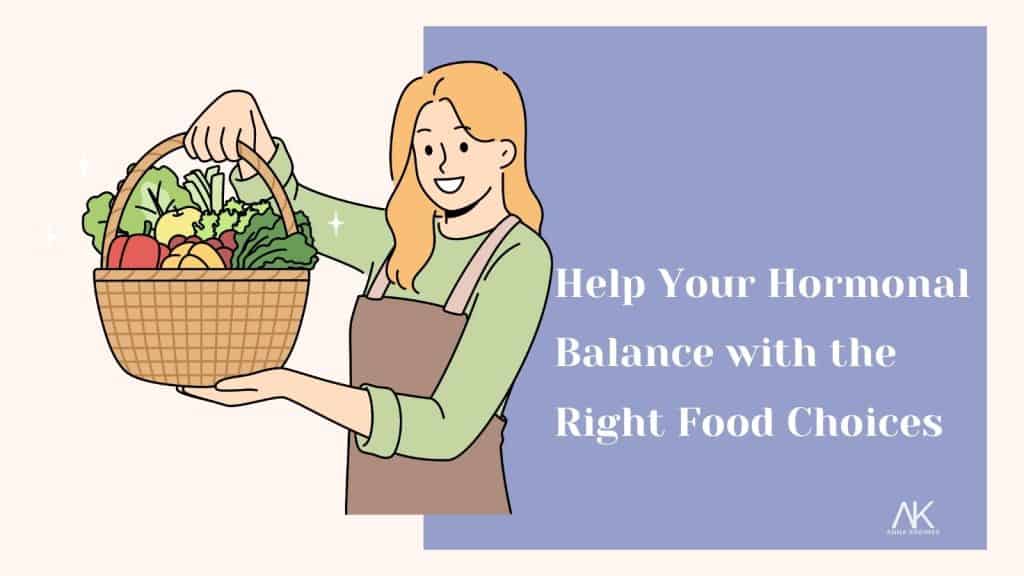
Help Your Hormonal Balance with the Right Food Choices
8. Support Hormones with the Right Foods
Natural ways to balance your hormones aren’t about restrictive diets but nourishing your body with the right nutrients. Think of food as medicine that can help regulate estrogen, progesterone, and insulin levels. Hormones are chemicals made mostly with fats and proteins – so a healthy diet is necessary not only to maintain a healthy weight but also because our hormones are involved.
9. Include Flaxseeds in Your Diet
Flaxseeds are a powerhouse for balancing estrogen. They contain Omega-3 fatty acids that can help balance hormones and support overall health. fatty acids and fibre, which reduce inflammation and help balance “good” and “bad” estrogen. Adding a tablespoon or two to your smoothies or oatmeal is a small habit with big benefits.
10. Eat Leafy Greens Daily
Kale, spinach, and chard are not only rich in nutrients but also support liver detoxification, which is essential for hormonal health. Try to include a generous serving of leafy greens in at least one meal a day.
11. Load Up on Fatty Fish
Wild-caught salmon, mackerel, and sardines are high in omega-3s, which help reduce inflammation and support healthy hormone production. If fresh wild fish is too expensive, a high-quality fish oil supplement is a great alternative.
12. Eat Cruciferous Vegetables
Broccoli, cauliflower, and Brussels sprouts help balance estrogen and reduce your risk of estrogen dominance. No, seriously, cruciferous plants are a 40-year-old girl's best friend. Along with diamonds, of course, certain hormone therapies can also be considered valuable!
13. Replace Sugary Snacks with Healthier Alternatives
Another healthy lifestyle cliché. Everyone knows about it, but few do. Replacing sweet snacks with bitter chocolate does not feel like replacing at all! No, but replacing refined sugars with healthier options like nuts, seeds or an apple with almond butter is different. Sweet smoothies and dried fruits are best in the morning, preferably before noon. This will help stabilize blood sugar levels and prevent energy slumps throughout the day.
14. Ditch Trans Fats and Artificial Ingredients
Processed foods are often loaded with unhealthy trans fats and preservatives. Stick to whole, fresh foods like vegetables, whole grains, and lean proteins to keep your hormones in check and your energy levels steady. By managing your plate and making mindful food choices, you’ll not only feel better but also give your body the natural tools it needs to regulate your hormones effectively.
15. Opt for Herbal Teas
We can benefit greatly from herbal teas as they provide natural support for hormone fluctuations, stress reduction and optimal health. Herbal teas such as red clover and black cohosh help alleviate menopausal and perimenopausal symptoms such as hot flashes and night sweats by supporting hormone receptor sensitivity. Chamomile and melissa promote relaxation and improve sleep, which is essential for combating stress and balancing cortisol. In addition, peppermint and ginger teas help digestion, which can become sluggish with age.
Balance Your Hormones With Right Physical Activity
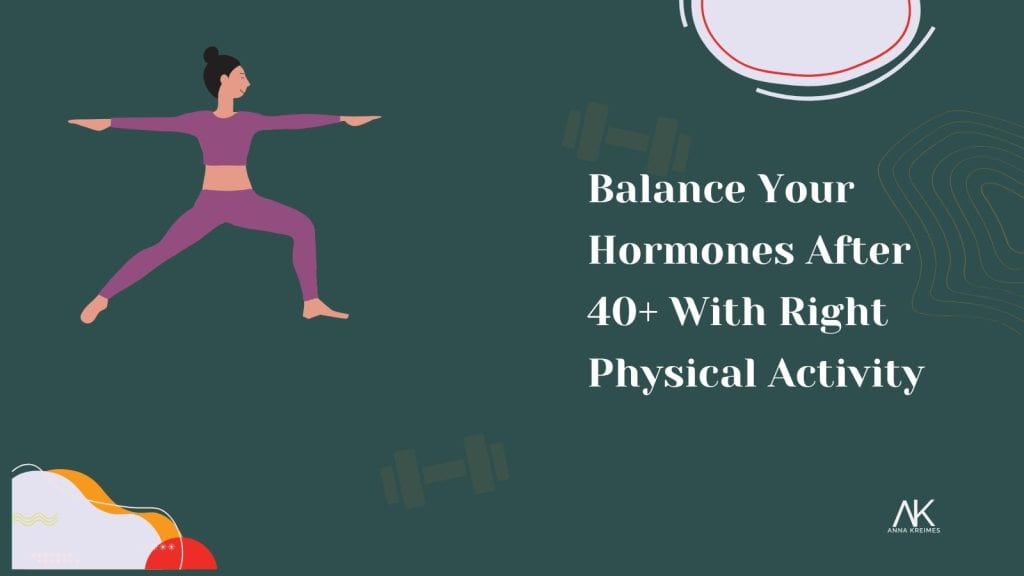
16. Exercise Smart, Not Just Hard
Not all exercise benefits hormonal balance equally, especially after the age of 40. High-intensity, long cardio sessions from your 30s may now leave you more exhausted than energized. The key is to find exercises that balance stress and eliminate excess estrogen, stimulating the hormone testosterone and progesterone without spiking cortisol.
17. Incorporate Strength Training
Strength training is crucial for women over 40. It builds muscle mass, increases metabolism, and boosts testosterone production. Weight-bearing exercises like squats and lunges help strengthen both muscles and bones. Even 2 to 3 weekly strength sessions, focusing on compound movements like deadlifts, can have a significant impact.
18. Do Cardio in Moderation
Cardio still has its place, but the secret is moderation. High-intensity interval training (HIIT) Exercise burns fat without overloading cortisol levels, which is essential for maintaining healthy hormone levels. Just 20-30 minutes of HIIT can boost growth hormone (hormone of youth) and rebuild muscle. Don’t forget about gentle forms of cardio like energetic walking or swimming, which relieve stress while keeping cortisol levels balanced.
19. Try Yoga and Stretching
Yoga has been a game-changer for balancing hormones. Its focus on deep breathing and mindfulness lowers cortisol and supports the nervous system. Poses that involve twisting or stretching help detoxify the body, aiding hormone balance. I aim for two yoga sessions a week or even 15 minutes of stretching before bed to relax and reset.
Incorporate Supplements for Hormonal Balance
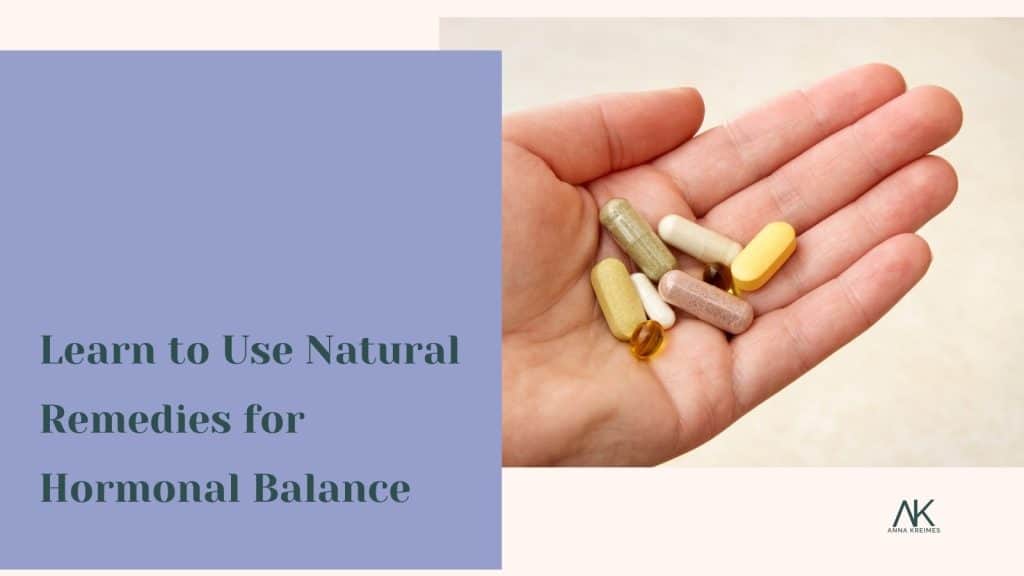
20. Relieve your stress with Ashwagandha
Ashwagandha is an adaptogen that helps regulate cortisol, the body’s primary stress hormone. Elevated cortisol can disrupt hormonal balance, leading to weight gain, irritability, and fatigue. Ashwagandha works by supporting adrenal health, making it an excellent option for stress management and thyroid support. Available in capsule, powder, or tincture form, it's easy to integrate into your daily routine.
21. Boost Energy and Hormonal Balance with Maca Root
Maca root, a Peruvian adaptogen, is known for its ability to support the endocrine system without directly adding hormones. It helps balance estrogen and progesterone levels, making it a valuable remedy for managing symptoms like hot flashes, night sweats, and mood swings. With a nutty, caramel-like flavour, maca powder can easily be added to smoothies or oatmeal for a boost of energy and hormonal stability.
22. Support your Hormones and Skin with Evening Primrose Oil
Evening primrose oil is rich in gamma-linolenic acid (GLA), which reduces inflammation and promotes hormone production. It's especially helpful for women experiencing PMS or perimenopause-related estrogen fluctuations, reducing symptoms like breast tenderness, bloating, and mood swings. Evening primrose oil also benefits skin health, counteracting complexion changes during hormonal shifts.
23. Get Enough Magnesium
Magnesium is essential for estrogen detoxification, and progesterone production and helps regulate sleep. Try a supplement especially before bedtime or up your intake of foods like almonds and dark chocolate, which contains 65 mg per ounce (28 grams). It is also high in iron, copper and manganese.
24. Take Probiotics
Gut health plays a huge role in hormone balance. Probiotics help support your gut, which is where much of your estrogen is processed.
25. Add Fibre
You should seriously consider adding fibre to support your healthy digestion and prevent constipation, which can become more common with age. Fibre also helps regulate blood sugar levels and supports heart health by lowering cholesterol. Additionally, it aids in weight management by promoting a feeling of fullness, which can help counter midlife weight gain.
26. Get More Sunshine
Vitamin D is a hormone too, and it plays a vital role in regulating other hormones. Aim for 10-15 minutes of sunshine daily, or consider a supplement.
27. Try Acupuncture
Acupuncture can regulate cortisol levels, improve sleep and optimise liver function —all critical for balancing hormones
Detox Your Hormones: Simple Swaps to Eliminate Endocrine Disruptors
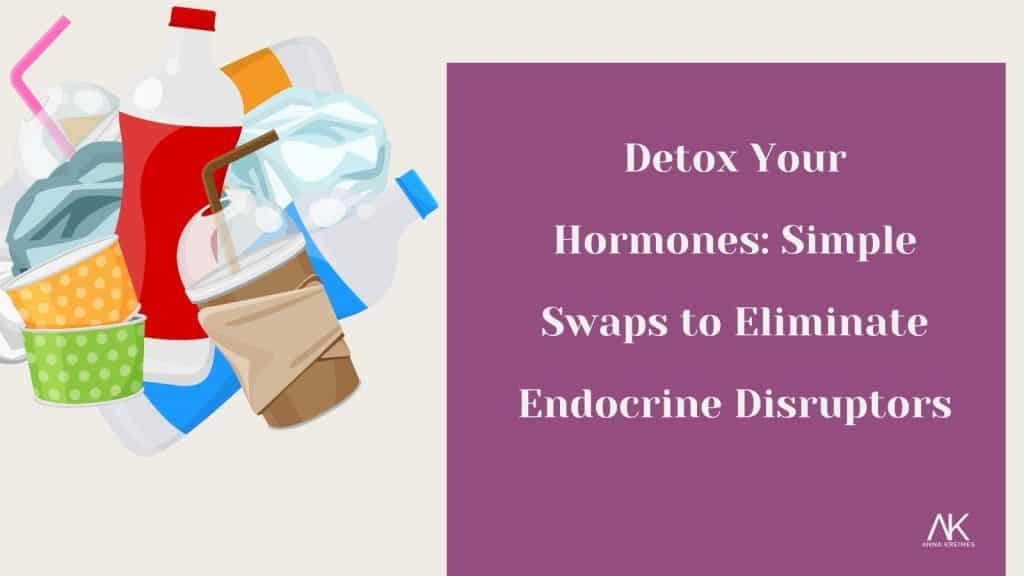
28. Avoid Plastics Containing BPA
BPA or xenoestrogens found in many plastic products like water bottles and food containers, mimics estrogen and can disrupt hormonal balance. Switch to glass or stainless steel alternatives to reduce your exposure.
29. Check Labels for Parabens in Skincare Products
Parabens, used as preservatives in beauty products, can also mimic estrogen and contribute to hormonal imbalances. Choose paraben-free skincare and makeup to avoid these harmful chemicals.
30. Steer Clear of Products Containing Phthalates
Phthalates, often found in items labelled as “fragrance” or “perfume,” interfere with both estrogen and testosterone. Use essential oils or fragrance-free products as safer alternatives.
31. Opt for Organic Produce to Avoid Pesticides
Pesticides on non-organic produce can act as endocrine disruptors. Prioritize buying organic, especially for the “dirty dozen” fruits and vegetables, or thoroughly wash non-organic produce with a vinegar solution.
32. Swap Plastic Food Storage for Glass or Stainless Steel
Heated plastics can leach chemicals like BPA into your food. Use glass or stainless steel food containers to store your meals safely, especially when reheating.
33. Use Essential Oils Instead of Synthetic Fragrances
Phthalates hide in synthetic fragrances used in perfumes, candles, and air fresheners. Replace these with essential oils, which are natural and free from hormone-disrupting chemicals.
34. Switch to Clean, Organic Skincare and Makeup
Your skin absorbs what you put on it, so choose products that are free from parabens, phthalates, and sulfates. Always read the ingredient list and opt for brands that are transparent about their formulations.
35. Invest in a Quality Water Filter
Tap water can contain trace amounts of chemicals like fluoride and chlorine, which can disrupt hormones. Filter your drinking and cooking water to reduce exposure and improve the quality of what you consume.
36. Reduce Plastic Use in Everyday Items
Beyond food containers, plastics are found in many household items, from furniture to packaging. Did you know that teabags are full of microplastics too, which can disrupt hormone levels? This is why packaging matters. Stick to loose tea alternatives. Gradually replace plastic products with safer, non-toxic alternatives where possible.
37. Start Small with Swaps to Reduce Endocrine Disruptors
You don’t have to overhaul everything at once. Start by swapping out your plastic water bottle, choosing cleaner skincare, or purchasing organic produce. Small, consistent changes will have a lasting positive impact on your hormonal health.
Master Stress and Balance Hormones
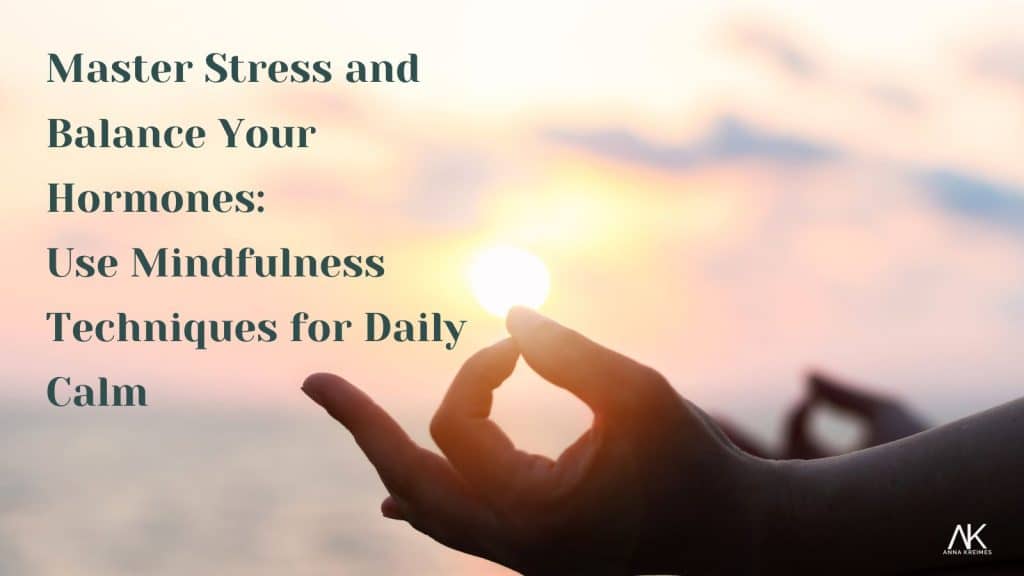
38. Practice Daily Mindfulness
Incorporate mindfulness into your daily routine to manage stress and stabilize mood swings. Mindfulness helps reduce cortisol spikes, supporting overall hormonal balance by promoting a calm and centered mind.
39. Start with Deep Breathing
Begin your day with 5 minutes of deep breathing. Inhale through your nose for a count of four, hold for four, and exhale through your mouth for four counts. This simple practice called “square breathing” activates the parasympathetic nervous system, reducing cortisol and promoting relaxation.
40. Do a Body Scan Meditation
Perform a body scan meditation by mentally scanning each part of your body, from toes to head, to release tension. This practice helps strengthen your mind-body connection and reduces stress caused by hormonal imbalances. Excellent time for this practice – at the end of a yoga session.
41. Practice Gratitude Meditation
Before bed, spend a few minutes practising gratitude meditation. Reflect on three things you're grateful for to shift your focus away from stress and negative thoughts, promoting emotional balance and better sleep.
42. Use Guided Meditations
If you're new to meditation, start with guided sessions using apps like Calm or Headspace. These short, manageable meditations are designed to reduce stress and support hormonal balance, making it easier to build a meditation habit.
43. Create a Consistent Meditation Routine
Consistency is key. Set aside a few minutes each day for meditation, whether it’s a brief breathing exercise in the morning or a guided session in the evening. Over time, this practice will help improve your body’s resilience to stress, leading to better hormonal health.
44. Use Mindfulness During Stressful Moments
During moments of stress, pause and take a few deep breaths to regain control. This quick mindfulness practice helps prevent cortisol spikes and keeps your hormones in check throughout the day. Louise Hay’s antistress affirmation is just perfect: “All is good in my world. Out of this situation only good will come. Everything is working out for my highest good. I am safe”.
Use Water to Balance Hormones
45. Stay Hydrated and Set a Daily Water Intake Goal
Aim for at least eight 8-ounce glasses of water (2 litres) per day, adjusting based on activity levels and temperature. A good rule of thumb is to drink half your body weight in ounces of water daily. Set reminders on your phone to track your intake.
46. Start Your Day with Water
Begin each morning by drinking 16 ounces of water before coffee or breakfast. This rehydrates your body after sleep and kickstarts your metabolism, helping you maintain energy and hormonal balance throughout the day.
47. Incorporate Hydrating “Cooling” Foods
Add water-rich foods like cucumbers, watermelon, celery, and leafy greens to your diet to help balance hormones and maintain hydration. These foods not only help keep you hydrated but also provide additional nutrients that support overall health.
48. Infuse Your Water with Natural Flavors
Make water more enjoyable by infusing it with slices of lemon, lime, mint, or berries. These natural flavors add variety and extra health benefits, like improving digestion or reducing bloating.
49. Carry a Reusable Water Bottle
Keep a reusable water bottle with you at all times to remind yourself to sip water throughout the day. Refilling it regularly ensures you're staying hydrated, and it's an eco-friendly choice.
50. Monitor Your Urine Color
Check the colour of your urine to gauge hydration. Light yellow means you're well-hydrated, while dark yellow or amber suggests you need to drink more water. Use this simple check to stay on top of your hydration needs.
51. Limit Caffeine and Alcohol Intake
Be mindful of the dehydrating effects of caffeine and alcohol. For every cup of coffee or glass of wine, drink an extra glass of water to maintain hydration and counteract their impact on your body. By staying properly hydrated, you’ll support your adrenal glands and thyroid function, both of which are vital for maintaining hormonal balance.
Monitor Your Hormonal Health
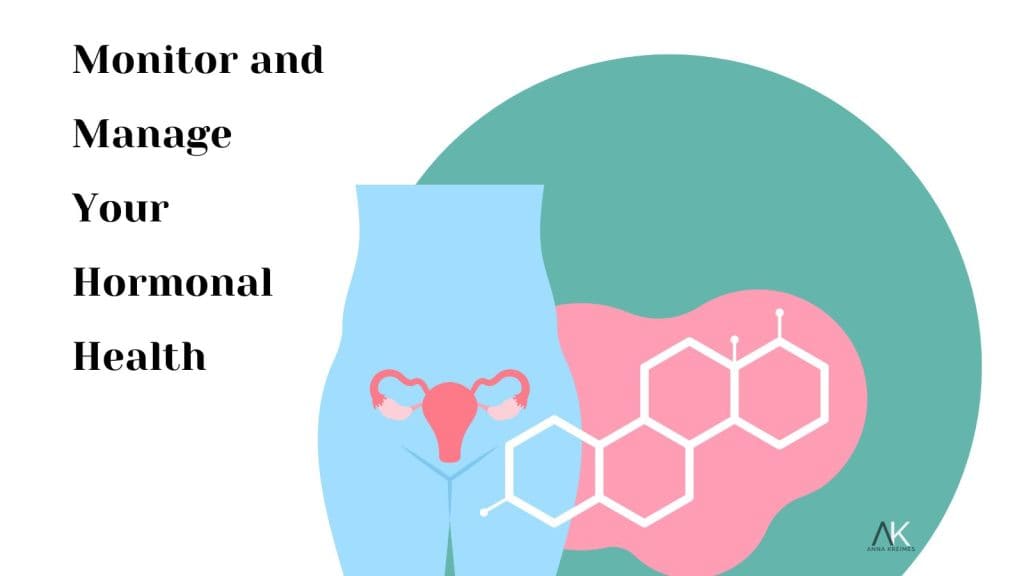
52. Never Skip Regular Health Checkups
Prioritize annual or bi-annual checkups, especially if you're over 40, to monitor key hormones like estrogen, progesterone, testosterone, cortisol and thyroid hormones. Regular checkups help catch imbalances early and prevent issues like chronic fatigue, weight gain, or more serious conditions like osteoporosis or Maintaining a healthy lifestyle can reduce the risk of heart disease and help balance hormones..
53. Track Your Hormonal Changes Over Time
Use hormone tests to track your levels over time. This allows you and your doctor to identify trends and adjust your lifestyle, diet, or medication as necessary to maintain optimal hormonal health.
54. Consult Your Doctor for Symptoms of Hormonal Imbalance
If you experience irregular periods, unexplained weight changes, chronic fatigue, mood swings, or sleep disturbances, consult your healthcare provider to explore potential hormonal imbalances. These symptoms could signal issues with estrogen, thyroid, or cortisol levels.
55. Request a Full Hormone Panel
Ask for a complete hormone test, and accurate dosage of each hormone, including estrogen, progesterone, testosterone, thyroid function, and cortisol levels. These results will give you a clearer picture of your overall hormonal health.
56. Don’t Dismiss Hormonal Symptoms as “Just Aging”
Recognize that some symptoms, such as hot flashes, libido changes, or mood swings, may be related to hormonal imbalances and aren’t simply a part of aging. Seek medical advice when these symptoms disrupt your quality of life.
57. Prepare for Your Doctor’s Visit
Track your symptoms by keeping a journal of when you feel fatigued, anxious, or experiencing other symptoms. This will help you provide specific examples to your doctor, leading to a more effective discussion about your hormonal health.
58. Ask Questions About Your Test Results
Don’t hesitate to ask your doctor to explain your hormone test results and discuss what they mean. Understanding your results will empower you to make informed decisions about lifestyle changes or treatments.
Learn to Use Hormonal Replacement Therapy if Needed
59. Explore Treatment Options with Your Doctor
Work with your healthcare provider to create a plan to manage any hormonal imbalances. This could include diet adjustments, natural supplements, or discussing options like hormone replacement therapy (HRT) if necessary.
60. Understand What HRT or Hormone Replacement Therapy Is
HRT involves taking synthetic hormones like estrogen and progesterone to alleviate symptoms of menopause and hormonal imbalance, such as mood swings, night sweats, and weight gain. It's often recommended for women who experience early menopause or after surgical removal of ovaries.
61. Weigh the Pros of HRT
HRT can provide significant relief from hot flashes, improve sleep quality, support bone health, and stabilize mood by boosting serotonin production. It can be a lifesaver for women facing severe symptoms.
62. Consider the Cons and Risks
There are risks, including a higher chance of breast cancer, blood clots, and side effects like bloating or nausea. The benefits and risks vary depending on your medical history, and it's not a one-size-fits-all solution. You may need to experiment with different hormone combinations and doses.
63. Ask Your Doctor Key Questions
Discuss your symptoms, family history, and concerns with your doctor. Make sure to ask about the different types of HRT, how long you'll need to take it, the potential risks for you, and if there are any alternatives.
64. Explore Bioidentical Hormones
Bioidentical hormones, derived from plants and chemically similar to your body's hormones, are another option. Some women prefer them due to their “natural” label, but their efficacy and safety are still debated. Consult a specialist before considering them.
65. Stay Consistent
Consistency is the key to long-term results. You don’t need to work out every day. A healthy mix of strength training, moderate cardio, and restorative practices like yoga will keep your hormones balanced and your body strong. Stick with a sustainable routine, and your hormones will thank you.
Why Achieving Hormonal Balance Can Help You Live a More Energized and Fulfilled Life After 40?
Hormonal balance is about so much more than just managing symptoms—it's about feeling energized, emotionally stable, and vital as you enter your 40s and beyond. When your hormones are in harmony, you’re able to navigate this new stage of life with more ease and enjoyment. I’ll be honest: I didn’t fully appreciate the power of balanced hormones until I started experiencing the symptoms of perimenopause. affect everything—from my mood to my weight to my energy levels. And once I learned to bring them into balance, it was like flipping a switch from “surviving” to “thriving.”
Once you start focusing on balancing hormones—through diet, exercise, and stress management—your emotional rollercoaster will begin to slow down. You will feel more stable, less reactive, and more able to handle stress without falling apart. That’s because balanced hormones support the production of neurotransmitters like serotonin and dopamine, which are critical for maintaining mental clarity and emotional well-being.
The beauty of achieving hormonal balance after 40 is that it helps you reclaim your energy, emotional stability, and vitality. You don’t have to accept fatigue, mood swings, or stubborn weight gain as just part of getting older. With the right approach, you can feel more vibrant and fulfilled than ever. It’s all about tuning into your body and making choices that support your hormone levels and overall well-being. hormonal health—and believe me, it’s worth every effort!
Summary
In this comprehensive guide, we’ve explored actionable strategies to help women over 40 regain hormonal balance. From diet and exercise to supplements and lifestyle changes, there’s no shortage of ways to feel like yourself again. Whether you’re managing menopause or simply striving for better well-being, hormonal balance is key to unlocking a healthier, more vibrant life!
FAQ – Common Questions About Hormonal Balance for Women Over 40
Q1: What are the first signs of hormonal imbalance in women over 40?
- Common signs include irregular periods, weight gain, mood swings, fatigue, and night sweats.
Q2: Can diet alone balance my hormones?
- While diet plays a crucial role, combining it with other lifestyle changes like sleep, stress management, and exercise is the most effective.
Q3: What is the best exercise for hormonal balance in women over 40?
- A mix of strength training, cardio, and yoga helps regulate hormones and manage stress.
Q4: How do I know if I need hormone replacement therapy (HRT)?
- Consult your doctor for hormone testing. HRT may be an option if you have significant menopause symptoms that are not relieved by lifestyle changes alone.
Q5: Are there natural supplements for balancing hormones?
- Yes, many women use herbal supplements like maca root and evening primrose oil to support hormone balance.
Q6: Can stress cause hormonal imbalance?
- Absolutely! Chronic stress elevates cortisol, which can lead to a range of hormonal issues, especially for women over 40, affecting their hormone levels.
Conclusion:
Hormonal balance for women over 40 is not just about mitigating menopause symptoms but about enhancing your quality of life. By incorporating healthy habits like proper diet, exercise, and stress management, you can naturally restore harmony and enjoy a more energized, focused, and healthier life. Ready to start your journey? Begin with small changes today and experience the positive impact on your hormonal health.