Managing endometriosis symptoms can sometimes feel like a full-time job, especially when the pain and fatigue are unrelenting. If you…
Managing endometriosis symptoms can sometimes feel like a full-time job, especially when the pain and fatigue are unrelenting. If you are among the millions of women who suffer from endometriosis, you probably want to know how to manage endometriosis symptoms naturally to lessen pain and discomfort. The good news is that while endometriosis can be a big problem, it doesn't have to rule your life.
The simple measures discussed below can help you alleviate your symptoms, start feeling better, and return to normal life. I'm talking about simple measures; not that you have to change your life overnight radically. Simple measures or small steps are the only strategy that will work. A small adjustment in your diet, some light exercise or stress management, these small changes will change your life for the better day by day. In this article, I'll cover the common symptoms and causes of endometriosis, followed by actionable strategies that have helped many women with endometriosis feel better. So, if you're ready, it's time to embark on a journey to better health – you can do it!
Common symptoms of endometriosis
To learn how to manage endometriosis symptoms we first need to learn what those symptoms are. The most well-known symptoms of endometriosis include pain, problems with periods and conception. It is this uncertainty that makes diagnosing endometriosis so difficult. So, the typical symptoms of endometriosis fit well into this short list:
- Painful periods (dysmenorrhoea): Cramps that last longer and are more intense than usual.
- Chronic pelvic pain: Constant discomfort in the lower abdomen.
- Pain during intercourse: Often associated with deep penetration.
However, that's not all.
Endometriosis pain is so varied that it can occur not only during menstruation or sex. Many complain of pain during defecation, as well as pain in the lower back, hips and thighs due to damage to nearby nerves. In rare cases, chest pain, difficulty swallowing and shortness of breath may occur when foci of endometriosis reach the chest cavity. If the foci are in or around the bladder, they cause rapid urination, urges to urinate, and even blood in the urine. But that's not all. Symptoms of endometriosis also often include:
- Digestive problems: Abdominal bloating, constipation or diarrhoea, especially during menstruation. Hypersensitivity or allergies to various foods and ingredients.
- Infertility: About 30-50% of women with endometriosis may have difficulty conceiving. Many people also don't realise that endometriosis is a disease of the whole body.
The causes and risk factors for developing endometriosis
Endometriosis occurs when tissue resembling the inner lining of the uterus appears outside the uterus – in the ovaries, fallopian tubes, on the walls of the abdomen, intestines, bladder and even in the lungs and oesophagus. Small (3 to 6 mm) islets called foci or lesions form in these tissues. The foci sprout into the surrounding tissues, putting down ‘roots’ or a network of blood vessels through which they receive nourishment.
Classical medicine explains the occurrence of endometriosis by the following causes:
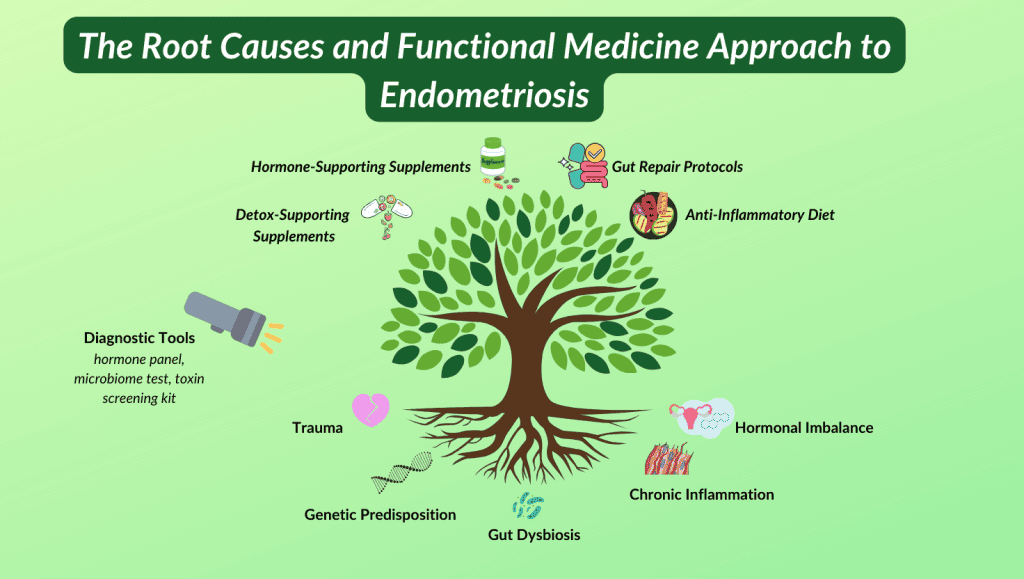
- Genetics: If your mother or sister has endometriosis, you are more likely to develop it. There is NO gene responsible for endometriosis. Endo is not a genetic disease. Full stop.
- Immune system disorders: Some women's immune systems may not be able to effectively eliminate malformed tissue.
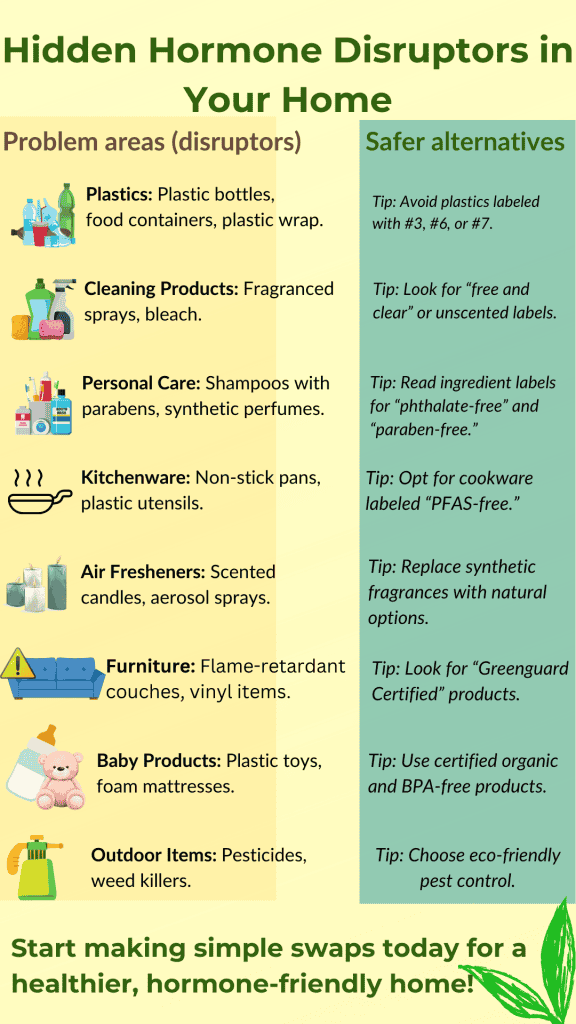
- Environmental factors: Exposure to chemicals such as dioxins may increase the risk.
- Retrograde menstruation: When menstrual blood flows back into the pelvic cavity rather than out of the body.
In my opinion, – and I have worked with many endo patients – the cause of endometriosis is a combination of all of these factors, reinforced by your predispositions and risks (e.g. childhood trauma). As for retrograde periods – everyone has them. So while they are considered a potential cause here, I don't think it has anything to do with endometriosis – there is no way growing in the lungs endo lesions can be caused by retrograde periods.
Tip: While the exact cause remains unclear, understanding your personal risk factors can help you take timely action.
These simple lifestyle tips will help you feel better every day
The first thing to learn is that endometriosis is a disease of the whole body, and your main enemy is not the endometriosis lesion (although it is often the cause of pain) or even hormonal imbalance (it is a consequence), but chronic inflammation, which stimulates the appearance and growth of the lesions. There is no pill for chronic inflammation. However, it can be managed by making certain lifestyle changes. Below, we will look at the most important of these.
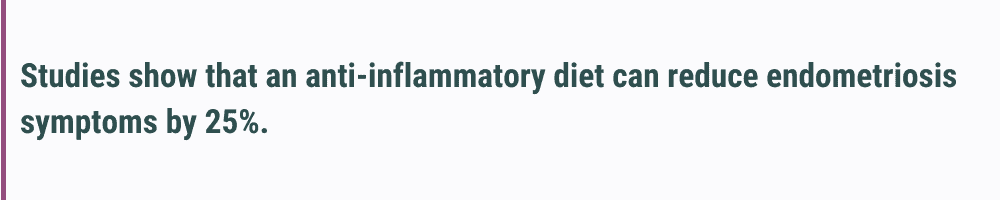
1. Include anti-inflammatory foods in your diet
a) Eliminate inflammation-causing foods from your diet, such as refined oils, soya, dairy products and processed sugars. Red meat is believed to cause inflammation. I assure you this is not entirely true, it all depends on the type and quality of meat, your genetics and the state of your gastrointestinal tract. Meat can be eliminated, but bone broth should stay – it's great for irritated bowels and very quickly reduces abdominal pain and bloating. If you are vegetarian or vegan – choose vegetarian broth.
b) Flour products are also best eliminated (at least for a while until your intestines are fully back to normal). You can replace them with gluten-free buckwheat bread, flaxseed, pumpkin and sunflower seed products, and rice crackers.
c) Choose foods that have anti-inflammatory properties. It is believed that this diet should consist of fresh fruits, vegetables and fish as it is rich in omega-3 fatty acids. Well, I have nothing against quality fish and vegetables. However, since most of you probably experience intestinal discomfort (bloating, pain, constipation or diarrhoea), not all fruits and vegetables will be beneficial. And not all fish are either. Healthy ones include:
- berries
- turmeric, cinnamon and ginger.
- cauliflower and broccoli.
- unrefined coconut oil and unrefined cold-pressed extra virgin olive oil (sweet tasting, no hint of bitterness)
- flax, pumpkin seeds
- garden greens and spinach
- orange-coloured vegetables – sweet potatoes, pumpkin and squash
- wild fresh ocean fish
2. Stay active with gentle exercise
While endometriosis often makes you want to lie curled up in the corner of your bed, know that movement can help.
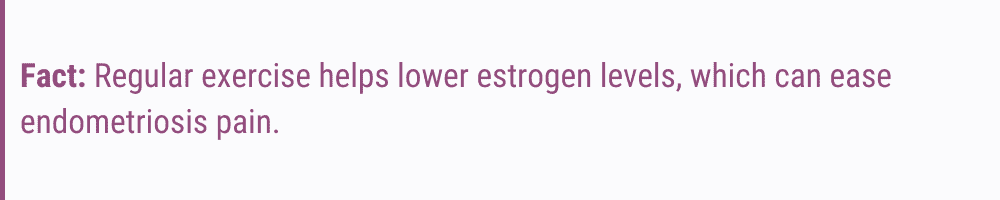
It's not the movement itself, but its effects: movement releases endorphins or feel-good hormones (natural painkillers), reduces anxiety and depression, and improves mood and sleep by shortening the time it takes to fall asleep. Physical activity stimulates bowel function and bowel emptying, relieving constipation. Exercises help strengthen the pelvic floor muscles and reduce stiffness and tension of the pelvic floor muscles. They increase blood flow, improve cellular function and energise the whole body. Finally, regular exercise can increase cytokines (substances with anti-inflammatory and antioxidant properties) and help lower estrogen levels. But, as with nutrition, you should know that not all exercise has this effect!
Choose low-impact workouts such as yoga, swimming or walking. Give yourself a trial period where you get used to exertion slowly, allowing your body to adapt.
3. Practice stress relief techniques
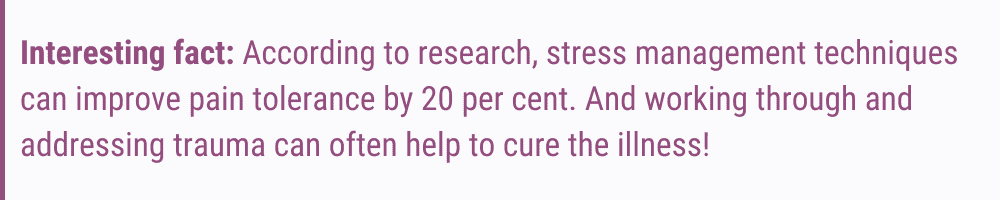
Stress is not always ‘bad.’ The female physiology cannot tolerate long periods of stress, and prolonged or chronic stress has the most detrimental effects. Everything is related to our cycle: in periods of high estrogen levels (just before ovulation, during ovulation and a few days before menstruation), short-term stress is tolerated with little or no consequences.
If, however, stress lasts when progesterone should be rising, the body suppresses the production of this calming hormone, turning on survival mode.
PMS, low libido, heavy or irregular periods, and other devastating symptoms of low progesterone are the result of excessive worry or stress during the cycle. The longer the negative effects of stress last, the more serious the health problems associated with inadequate progesterone levels.
Meditation, deep breathing, and mindfulness practices can help manage chronic pain. Try incorporating 10 minutes of meditation into your daily routine.
If you have a strained relationship with your mum, don't leave things to chance. Deep childhood experiences and traumas leave deep scars in the psyche and serve as a breeding ground for the growth of various health problems such as endometriosis. If possible, take the time to see a professional therapist to work through the trauma.
4. Get enough sleep
Sleep is a crucial part of the healing process. During sleep, cells are renewed, the immune system is revitalised, brain tissue is cleansed and hormones come into balance. Lack of sleep causes oxidative stress (which increases inflammation), increases anxiety levels, disrupts hormones, and even contributes to DNA damage.
So it's no surprise that chronic sleep deprivation leads to many health problems: overweight, difficulty with attention and concentration, depression, arthritis, diabetes, asthma, and a weak immune system.
- Sleep helps the body recover from daily stress and reduces inflammation.
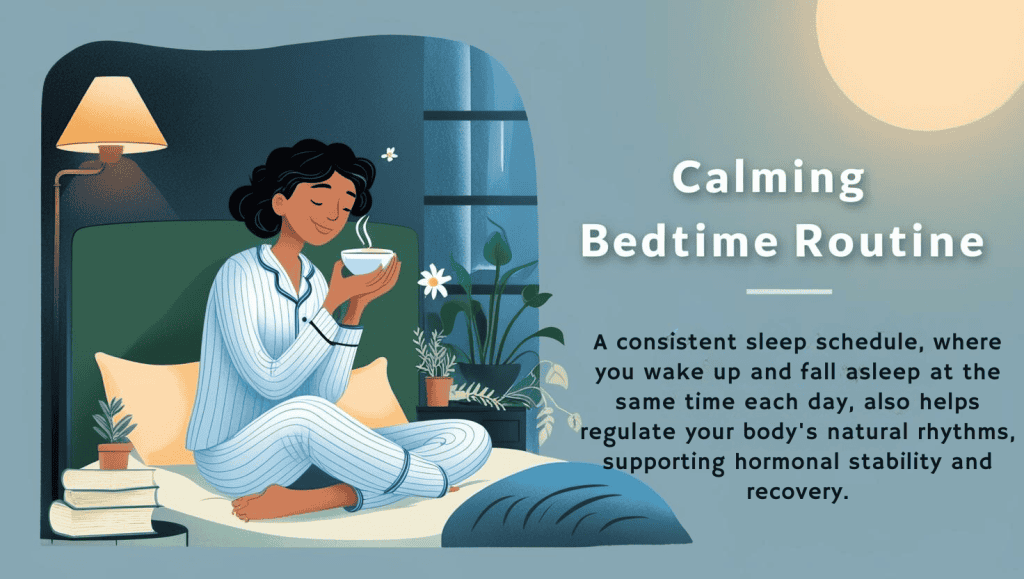
- Creating calming rituals before bed and following a sleep schedule has far-reaching positive effects.
- Try to get at least 7-8 hours of sleep per night. For starters, buy yourself a comfortable bed and bed linen, stop ‘hanging out’ on your phone before bed, replacing it with a book, stretching or meditation.
- If these measures do not help, try taking a warm bath, drinking soothing tea, or taking magnesium preparations. If these don't help either, try melatonin preparations (a dose of 1 mg or more can cause drowsiness the next day).
5. Track your symptoms and cycle
If you want to make a difference with endometriosis, you need to become a full participant in the healing process. Keeping a diary regularly will help you do this. Regularly record your health status, menus, critical vital signs and feelings. Write them down in a separate notebook or purchase any Endo Healing Journal or endometriosis treatment app – there are not many on the market right now.
Completing this journal regularly is the foundation of your success in finding the right treatment, diet and supplements – or healing in general. There are other significant benefits of keeping such a Healing Diary:
- Improved awareness – by tracking your habits and behaviours, you will be able to see and be aware of how your actions are affecting your physical and mental health;
- Accountability: keeping a healing diary will help you take responsibility for your goals and commitments;
- Productive communication with your doctor: keeping a Healing Diary can provide your doctor with valuable information, including the intensity of symptoms, the effects of medications, and the impact of lifestyle factors, to help you discuss and make more informed treatment decisions together;
- Identifying patterns and triggers: by keeping records of habitual behaviours and tracking reactions over time, you will be able to link patterns or triggers to the symptoms they exacerbate or provoke;
- Finally, motivation: a recovery diary will allow you to see progress and motivate you to continue to stick to a healthy lifestyle.
6. Seek support: You are not alone
The healing process is a transformation, the impetus for which comes from within. To transform into a butterfly, the caterpillar is wrapped in a cocoon, where it gets safely broken down into molecules from which a butterfly with wings is assembled. Without the cocoon, the transformation into a butterfly is impossible. In the same way, a support group can be a protective cocoon for you, where you allow yourself in a state of complete peace and trust to become vulnerable, relax, break down into molecules, and then reassemble into a new self, but without endometriosis.
With support, anything is possible.
The reason is in a woman's biology, which defines conditions for disease and recovery. Any chronic disease of a woman runs with disruption of hormonal balance, in which the hormone oxytocin occupies a hierarchically higher place. It is produced not only when breastfeeding, but also when we experience feelings of safety and love. A support group is a resource where you will be understood, supported, non-judgemental, shared, inspired and motivated.
- Join online and offline support groups or forums where women share their experiences with endometriosis.
- Join social media communities for advice, guidance and emotional support.
- Seek professional help: Therapists can help manage the psychological burden of chronic illness.
- Any progress takes time. Start small, move gradually and steadily, be kind and patient with yourself and celebrate every victory, no matter how small it may seem. You are strong, resilient and quite capable of taking responsibility for your endometriosis. Get started today by trying out one of these life-enhancing lifestyle tips – your journey to better health is starting right now!
- Living with endometriosis is not an easy task, but it's not something you have to face alone. By making small, manageable changes to your lifestyle – eating anti-inflammatory foods, engaging in light exercise, and prioritising adequate sleep – you can start to feel relief every day. While there is still no pill for endometriosis, paying attention to your health and well-being can make a big difference in your symptoms and overall quality of life. It doesn't start with a pill, it begins with loving yourself.
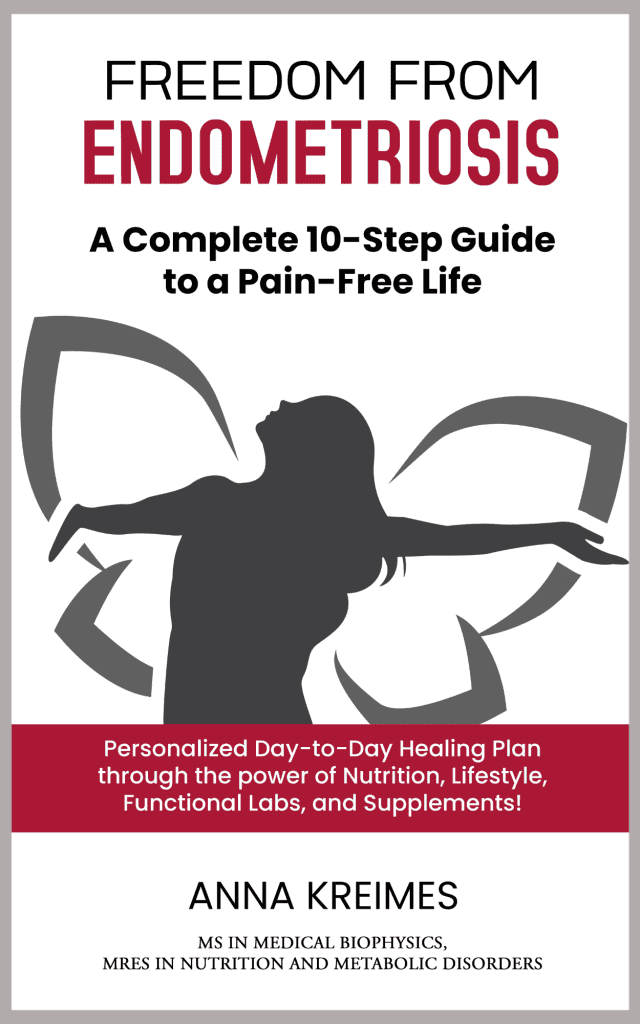
Address the complexity of endometriosis with a holistic, individualised strategy:
- 80% of clients reported having less pain and discomfort
- All participants reported their digestive symptoms to improve
- 20% were taken off repeated surgery waiting lists
- All managed to get enhanced detoxification
- All managed to boost immunity
- improve sleep
- reduce inflammation
- optimise stress strategies
- sync their fitness routine with hormonal cycle and much more
